Banner promoting anonymous crime reporting with a phone and contact number 1 800 TIPS (8477), featuring the Crime Stoppers logo and a QR code for submitting tips.

← Back

Your message to the BLOGMASTER was sent

Finally the Human Tissue Transplant Bill was debated in parliament this week, if proclaimed, it will see the legalisation of deceased kidney organ donation. In 2008 the following blog was posted. It has taken 18 rh years to reach today. Even before 2008 given the high prevalence of kidney disease in Barbados others were asking about approving organ transplants. It seems we are almost there, congratulations to all concerned.


Back to top arrow

28 March 2008

Dear David:

At your discretion, you may want to share the following with your readers. I would also be interested in any feedback they may have. Attached is the post I sent to CBC-TV for posting over 24 hours ago, in response to an article on their site “World Kidney Day“; it remains a mystery why they have not done so. Therefore, I decided to send them this note.

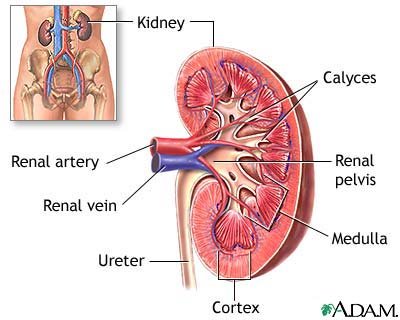
kidney-713543.jpg

To Whom It May Concern:

It’s great to see that CBC-TV has enhanced their website to include a blog and discussion forum. I hope you will not follow the example of VOB, which had a very good discussion forum, but was killed by the administrator’s arrogance. That administrator was not only slow to release postings within a reasonable time frame but was heavy handed in censorship. The same state was suffered by the Nation News on-line discussion forum, which has lost many of its followers for similar reasons. These unnecessary flaws on the part of mainstream media outlets appear to have led to the establishment of widely followed blogs.

For your consideration, if CBC-TV does not vet the comments of posters within a 24-hour period and release for posting, your blog and discussion forum will become defunct before they get off the ground.

Submitted by an Anonymous person

Congratulations on World Kidney Day (celebrated on March 13, 2008). It is nice to know that our health officials in Barbados are trying to educate people on the importance of keeping their kidneys healthy. However, it leads me to ask, why are cadaver transplants, which are available in other places and especially the USA are deemed illegal in Barbados?

In October 2004, at a conference held at the Amaryllis Hotel by the Barbados Kidney Association, I heard the same rhetoric that has been printed here from Barbados Ministry of Health represented by former Minister of Health Jerome Walcott, and many of his counterparts who vowed to help those who developed chronic kidney failure. Many of us are still waiting to find out what Minister Walcott meant by the word, “help.” It’s about time the Ministry of Health in Barbados act on their promises and establishes mechanisms other than dialysis, such as transplantation, even if it were donor related only, instead of continuously making lame excuses. Was it not over 10 years ago that kidney transplant was done here, but due to the selfishness and possible jealousy by our own medical staff at the QEH, the surgeon who performed the surgery got fed-up and returned to his native country/island? We have witnessed the same behavior directed at Dr. Sparman in recent times.

The medical professionals, i.e., nephrologists et al know that having a kidney disease, or being on dialysis has no age limit; furthermore, dialysis treatments give patients an opportunity to prolong life but there is a much more positive enhancement to life experience with transplantation, which they have ignored to pursue.

It’s a shame that the people responsible for shaping policies on this matter continue to pull the wool over those who have been affected by the disease be it in the early stages or not, and foremost making patients and/or potential patients who may not have done their own research to believe that being on dialysis is the b-all and n-all.

I just hope that the day will come soon, and sooner than we expect when we as citizens can celebrate performing transplants once again followed by the passing of legislation for cadaver transplantation, and to encourage more friends and family related donors. I also hope that there would be more advocacy and education, as well as the development of a potential rehabilitation program for those living with kidney disease, all of which is extremely lacking.

I earnestly look forward to the day when those Barbadians who are confronted with chronic renal failure have a chance to experience transplantation, and we can all have the opportunity to hail our health authorities in Barbados for advancing the hope of citizens who are afflicted with kidney disease.


Discover more from Barbados Underground

Subscribe to get the latest posts sent to your email.

13 responses to “Barbados Health Policy On Kidney Transplantation Under Attack”


  1. Thanks for highlighting this issue. We know that our BU is frequented by the surrogates of both political parties. We hope that you cry is heard by Minister Estwick.

  2. Carson C. Cadogan Avatar
    Carson C. Cadogan

    This is a very good way to go.

    I have spoken in the recent past to a Medical doctor here in Barbados and he is at a loss as to why kidney transplants are not perfomed here.

    He told me that he recommended the procedure to many of his colleagues and to influential people in the Ministry of Health all to no avail.

    Kidney transplants will dramatically improve the quality of life for those who have to be chained to dialysis machines ever so often. There would also be great financial savings for the country as well.


  3. It is not easy to transplant kidneys just like that. The kidney has to be harvested within an hour of death from an otherwise healthy person and tested for a match to the recipient. the match has to be genetically close to avoid rejection. Even then the recipient will be on anti-rejection drugs for the rest of their lives.

    Kidneys can only be harvested legally if the prospective donor indicated that they wanted to donate their kidneys, “in writing” before death. After death, the next of kin can be asked to donate the kidneys if no designation had been made.

    In Barbados, the medical authorities are probably cautious to allay abuse and the re is the question of ethics. For instance, medical practitioners helping someone along to get a kidney for another patient. Or worse yet, transplanting a kidney from someone who had HIV.

    Seeing how Bajans love money, then there could be cases, where money talked and he who had the money, got the kidney.

    Quality of life would be improved, that is true, but saving money is unlikely where the government provides the drugs. In most cases, the patients needing kidneys are people with diabetes who did not mange their condition well. There is no guarantee that they would take care of the new kidney.


  4. The person that initiated this topic does not seem to be suggesting that cadaver kidneys should be legalized immediately but would like to see the Ministry of Health re-institute surgery for family related donors, which I am in favor of.

    It looks like the issue of transplantation, whether family related or cadaver, is being put on the back burner year after year. As I read it, Barbados has done kidney transplants before so it is NOT new; they just need to look at the issue more closely. The little that I know of transplant patients, not all family donor recipients remain on anti-rejection drugs for the rest of their lives.

    Having said that, I think kidney patients are aware that NOT all patients, whether the donor or recipient, would qualify for the surgery. However, unless the government gives serious effort and consideration, nothing will happen and those who might have a better quality of life or as it is called, “the gift of life” will continue to be “chained” to the artificial machine providing the lucrative business of dialysis, which I will admit is better than no artificial kidney, but unacceptable.

    Pat // March 24, 2008 at 8:12 pm
    “In Barbados, the medical authorities are probably cautious to allay abuse and the re is the question of ethics. For instance, medical practitioners helping someone along to get a kidney for another patient. Or worse yet, transplanting a kidney from someone who had HIV.”

    This comment may be one of the lame excuses that the person who started this topic has alluded to.

    Pat // March 24, 2008 at 8:12 pm
    “… saving money is unlikely where the government provides the drugs. In most cases, the patients needing kidneys are people with diabetes who did not mange their condition well. There is no guarantee that they would take care of the new kidney.”

    This statement gives me the impression that maybe this is the attitude expressed within the Ministry of Health and by some of the medical professionals. How uncaring.

    Nonetheless, I agree that statistics show that chronic kidney disease is mostly caused by diabetes but we cannot ignore the fact that the disease can be caused by other disorders such as high blood pressure, heredity, urologic disease, and other medical conditions. It is not fair to deprive bajans of the best medical care, which includes transplantation because they may not have taken care of themselves when they were healthy. I do not see this as a reason that legislation should not be upgraded, especially if Barbados wants to remove itself from third world status. Furthermore, having diabetes does not mean that most of the patients did not manage their health as best they can. Other countries where legislation has been put in place to allow transplantation have already addressed all of these concerns and questions, and about beating the system. Why punished because the process or “things” were not done right?

    Who are you to know and to say that the recipient would be lax in taking care of the new kidney? It’s a norm for those whom have been healthy to take things including good health for granted, and in some cases not having much consideration for others; but those who experienced renal failure, dialysis and transplantation would say in a heart beat that having the transplant places a different “twist” on their lifestyle and experiences.

    I commend the person who brought this topic to the forefront.


  5. Sapadillo:

    Please, I have spent the last 16 years working with the Kidney Foundation. I also have experience with people who have had dialysis and kidney transplants. I speak from observation. I, myself, because of a medical condition, may end up with kidney disease, but my Dr. is focusing on protecting my heart as very few women survive heart attacks.

    Yes, kidneys from close siblings are usually accepted by the body. I was only trying to explore some of the reasons why transplants are not carried out in Barbados.


  6. Congratulations to the QEH. The obvious next step is to move full steam ahead to do cadaver transplants:


    FIRST QEH KIDNEY ‘OP’

    Published on: 5/30/2009.

    by CAROL-ANN TUDOR

    DOCTORS at the Queen Elizabeth Hospital (QEH) have transplanted a kidney from a healthy 58-year-old man to his 28-year-old son.

    The "operation" was done on May 14, and was the first "living related kidney transplant" conducted at the QEH in ten years.

    Yesterday, at a Press conference at the QEH board room, Dr Emile Mohammed, consultant nephrologist and head of the nephrology services, said the son was a kidney failure patient and on dialysis for over eight years.

    He said the operation had gone extremely well and both the son and the father were already home.

    "I think the operation going well is a testament to the very meticulous preparation of both the father and the son, the surgical expertise and the meticulous and detailed care they received after the operation," he said.

    He noted that what was very reassuring was that the expertise involved in doing the transplant, was largely employees of the QEH.

    "In other words the medical, the surgical, the nursing staff were all local."

    Mohammed said there was some assistance from the international community in the form of a United Kingdom transplant coordinator, to help do some of the nursing training and some of the "tissue typing" and "special blood tests" were done in the national lab in London.

    "But apart from that it was a QEH effort and it was done with the utmost expertise," he added.

    The surgery comprised two operations, one to take the kidney from father and the next to place it in the son, but what was most important was the "ischaemic time" (how long the kidney was out from the father before being placed in the son).

    "Our ischaemic time was one hour and four minutes which is extremely good by any international standards, in fact this whole transplant has taken place complying with the gold standards and we used our European best practice guidelines," he added

    Mohammed said there were no surgeries planned for later in the year, but the QEH would be continuing to work to develop the service and the resources. He said however there were also other patients at various stages of transplant work-up.

    Head of the surgical department John Gill, said the recent transplant, set the stage for more people to get transplanted kidneys and reduce the cost of treatment in this area.

    He said 73 of the 220 people who now undergo dialysis, could benefit from transplants and in two years there could be more developments.

    Gill said a cadaveric donation programme would be needed, so that those people examined by at least two physicians and deemed to be brain dead, would be potential donors.


  7. In order to permit cadaver transplants the government/medical people/patients need to educate the public about the need for and benefits of cadaver transplants.

    Then the government needs to pass legislation permitting cadaver transplantation. It is not a difficult legislation because it is done successfully in many, many jurisdictions. We probably just need to “cut and paste” legislation from some other Commonwealth country.

    Since the best donors are young healthy traffic accident victims in many places a statement is added to the driver’s licence. The licence holder signs a statement on the driver’s licence giving permission to take his organs for transplant in the event of his/her death.

    When a traffic death occurs the police, ambulance attendants, doctors, family will check to see if the organ harvesting permission has been granted and can doctors can proceed to harvest the organs within an hour of death.

    More than 30 years ago when I lived in Canada this was the standard procedure. I do not know why it has taken our officials so long to make some forward steps on this issue.

    With a proper public education campaign most people will likely sign on, because after all a perfectly good kidney or cornea is no good to us once we are dead.


  8. And yet Pat is right. The patient whose kidneys failed because he did not take his high blood pressure medicine may indeed be careless with a new kidney and the many medicines he will HAVE to take for the rest of his life.

    And yes a lifetime’s worth of anti-rejection medcine is not cheap and if the National Drug Service pays for it there may indeed be no saving to the taxpayers, BUT if the patient is compliant he may have a much better quality of life than he had on dialysis.


  9. This is excellent news. I wish father and especially the son a long healthy life.

    I’m glad to see that Barbados medical authorities, after so many years in waiting, have finally taken a giant step forward to help kidney patients who are eligible for transplantation.

    This is a start. Way to go!!


  10. It’s my understanding that in recent years not all transplant patients (a recipient of a related donor) is on anti-rejection meds for the rest of his/her life.

    J // May 30, 2009 at 6:00 pm
    “Since the best donors are young healthy traffic accident victims in many places a statement is added to the driver’s license. The license holder signs a statement on the driver’s license giving permission to take his organs for transplant in the event of his/her death.”

    Although we have a way to go to get to the next step being that of cadaver transplantation, I would like to add that in the USA, though one has signed giving permission to transfer his/her organs at death to someone in need, a family member can override the signed card upon death. So, it is absolutely critical that the public as well as family members be educated in all aspects of the process of donation and beyond.

    It’s also my understanding that one no longer has to be on dialysis to be considered for a transplant. If one has been diagnosed with acute kidney failure, based on the type of kidney disease s/he has, a transplant could be in the making instead of waiting to get to the chronic stage as in years gone by.

    Lots of caution should be taken when Medical staff gets the approval to perform cadaver transplants. I’ve heard of surgeons who transplanted for the sake thereof, although the results of the pretests showed that the harvested kidney had a short lifespan. To put a patient through that excitement of knowing s/he is about to have a better quality of life with the expectations for a long time, then to be told within a couple of years that the kidney was not the best is simply agony.


  11. While scanning the Nation News, I came across an up-to-date story about the young man as he moves forward with his new kidney.

    http://www.nationnews.com/news/local/A-FATHER-S-GIFT-copy-for-web


  12. ‘Gift of life’: Bill ‘could expand organ donation, ease dialysis burden’

     Barbados could soon open the door to deceased organ donation for the first time, under new legislation introduced in Parliament on Wednesday that health advocates said would ease pressure on overstretched dialysis services and expand life-saving transplant options for as many as 30 000 people at risk of kidney failure.

    The Human Tissue Transplant Bill, presented in the Senate on Wednesday, would legalise deceased organ donation through a regulated framework for the removal and transplantation of human tissue.

    Currently, Barbados is only able to perform living donor kidney transplants.

    The new law would allow for transplantation following death, potentially expanding life-saving options for patients with end-stage renal failure and reducing heavy reliance on dialysis.

    President of the Barbados Kidney Association, Sadie-Ann Sisnett, described the bill as significant, especially for people who are either on dialysis or who are expected to need dialysis.

    “We have 400 persons right now currently, between SILS [Dialysis Barbados] and QEH on dialysis; you have 20 to 30 000 people living in Barbados, 13 or so per cent of our population that will need to be on dialysis in the near future. So you have stage one to stage five of kidney disease. About 20 to 30 000 persons are at stage four going to stage five, which means they will need dialysis,” Sisnett told Barbados TODAY.

    The QEH lacks the capacity to manage the number of people needing dialysis, she said.

    “A person that should be dialysed three times a week can only be dialysed… twice a week because literally of the amount of persons that need dialysis and the resources that we currently have. Yes, we’re outsourced to the SILS but it’s still more fast-paced than we can keep up with.”

    Sisnett described the legislation as “critical” to getting more people off dialysis. 

    “It’s critical to getting those persons off of dialysis. We have a living donor transplant program right now. We probably transplant about two to three a year at the absolute most, we would like to increase that to ten. Those persons are removed from dialysis, they’re persons again who are on dialysis because of lifestyle, so whether it’s hypertension, diabetes, diet, that kind of thing. 

    “If we can bring that number down, if that can be reversed at the early stages, which is why testing is so important, if you can catch that kidney disease, that kidney function before it gets to a stage where it cannot be reversed, then you stop someone from having to go on dialysis.”

    Renal transplant surgeon at the Queen Elizabeth Hospital, Dr Margaret O’Shea, expressed how overwhelmed with joy she felt to finally see this bill being brought to Parliament. 

    “I’m overjoyed, tearful almost for the benefit that this bill is going to have to patients who are in need of organs, for the benefit of people who want to have something good happen after death, you know, as tragic as it may be, those of us who want to give of our organs if something happened to us suddenly, to help somebody else. It’s a joy that’s gonna happen from donation and also the joy from receiving — a gift of life.”

    She also suggested this legislation would improve care for dialysis patients.

    Founder and president of Kidney Caribbean, Allan Haynes, a dialysis patient for nine years, said if this bill becomes law, it would have a life-changing impact.

    He told the story of his sister, whose kidney transplant lasted 45 years: “She just passed away recently, but she has a child and 3 grandchildren now after that, OK, so it can make a total difference to your life.”

    The legislation could be life-changing, he added, particularly for younger dialysis patients.

    Vice-president of the Barbados Kidney Association, Adrian Boyce, described the bill as a “watershed” moment and believes it represents a historic milestone for Barbados.

    “It sets a precedent for the history of Barbados, having the Human Transplant Bill passed after all this time. Indeed, it will not only take us to the next level internationally in terms of optics, but it also saves lives at the end of the day, not only for kidney patients, but also those persons who will need other transplants, whether the liver or any other organ, once there is the specialist and the surgeon available to do the actual operation. We’re definitely in the right direction.”

    Sisnett also explained what this means for people with renal failure who are on dialysis and whose lives are constantly disrupted or on hold.

    Many of these dialysis patients are of working age and have had to stop working or significantly reduce employment.

    “Having deceased donation means then that these persons can find the donor, find someone who matches, and they can actually go back to their lives. They’re persons who are the sole breadwinner of their family. How can you have a family, support a family on welfare, and live a meaningful life?

    “You can go back to work… If you talk to persons, that’s what they really want to do to be able to support themselves and get back to living normally.”

    These people who are unable to work contribute to declining national productivity, she said. 

    According to the kidney care campaigner, a transplant is also about restoring people’s quality of life:

    “To be able to get persons off of dialysis and back into being a productive member of society, being able to, again, make money, have children, take care of their household, just do what they normally do, and they did before dialysis. That is an incredible, incredible thing.”

    Sisnett used herself as an example of the impact receiving a kidney transplant has had on her life:

    “I got married, it was nine years before my husband and I could have a child because I only could do it after my transplant. So again we have a fertility issue. Our birth rate is going down, and we have persons of that childbearing age on dialysis and more about to be on dialysis.

    “So there are so many instances in society; it’s not just a health issue problem, it is a productivity problem. It is a cross-sectoral issue that we need to get our minds around in terms of what this bill could mean for not just families and people; that is important for our entire society.” (LG)

    Source: BT


  13. Well this writer was previously accused of being tooooo extremist when it comes to diet. The accuser had suggested “moderation”. The companies marketing gramoxone make a similar argument.

    It appears that the “extreme” levels people are willing to go to save their lives could have been largely unnecessary if minimal preventive measures were taken every day, personally, and as a national project.

    In taking “extreme” but preventive measures one’s body can be practiced to be constantly healing itself – autophagy.

    Admittedly, Pacha hates hospitals, doctors and will never want to have other peoples’ organs in this body, not to talk about a lifetime of taking the anti-rejection drugs and being tettered to the medical industrial complex as the only way to survive.

    In these circumstances, this writer’s predetermination is to embrace death. Not even blood would be accepted.

    Regrettably, instead of Barbados copying all the “extreme” and expensive treatment methods from abroad a radical homegrown and affordable approach to everyday diet and health could have prevented all this unnecessary suffering, primarily caused by eating foolishness, tooo much, tooo often.

    If the message was and is that the population can do any shiiite dey like and then it becomes the states job to back stop that shiiite. Well, that’s what we’ll have.

The blogmaster invites you to join the discussion.

Trending

Discover more from Barbados Underground

Subscribe now to keep reading and get access to the full archive.

Continue reading