

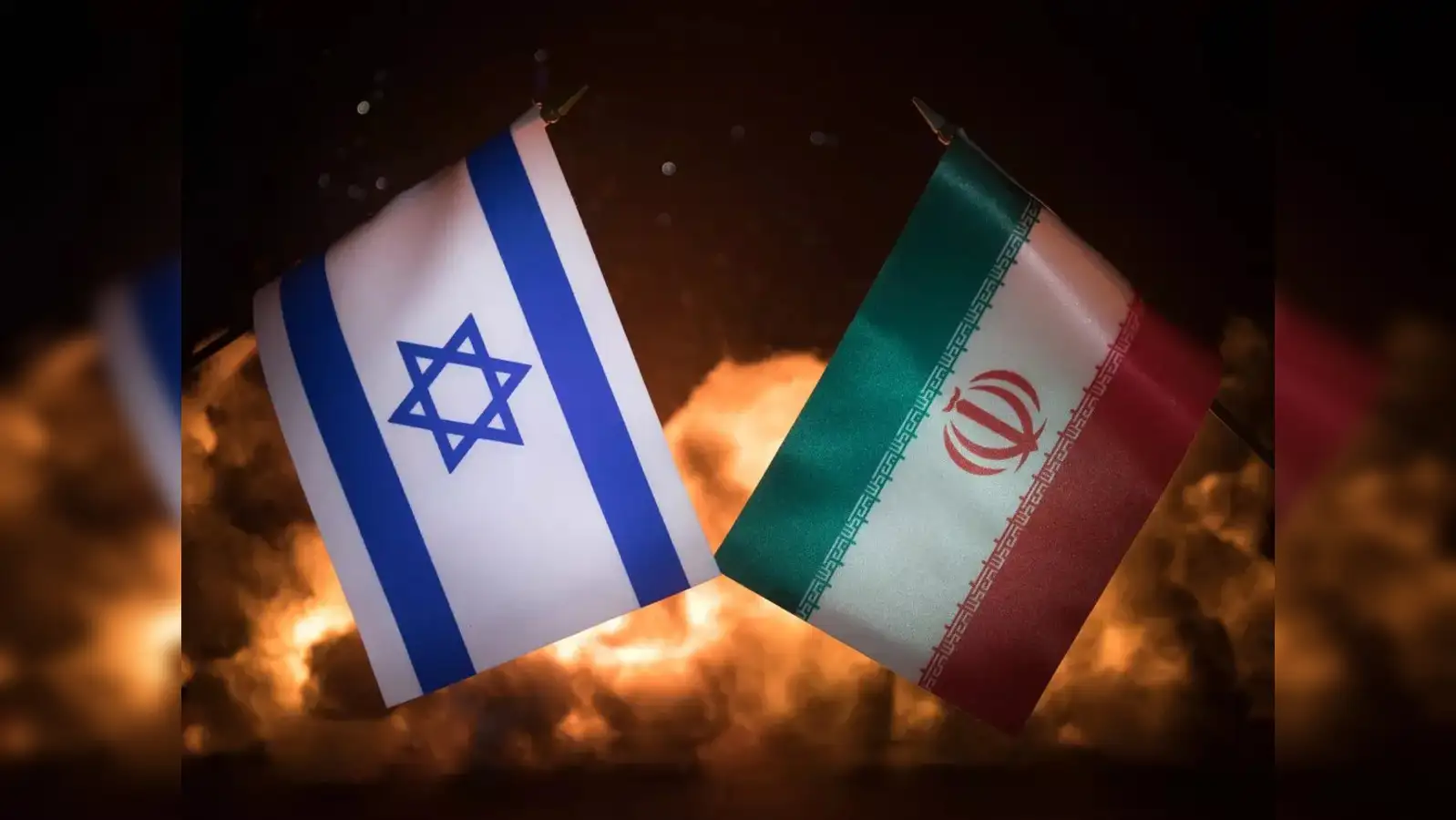


Many in this Barbados Underground space are babyboomers and lived through the Cold War period until the ‘collapse’ of the Soviet Union in 1991 after the fall of the Berlin Wall a fews years earlier. We were ardent followers of Gladston Holder and Oliver Jackman – their newspaper columns and book because there was no social media. Words like détente, SALT treaties, non-Aligned Movement, ICBMs, Iron Curtain to recall a few were top of the mind. The Barbados space is the poorer since Jackman and Holder shuffled of this mortal coil.
There is the saying nothing is new under the sun. In the early life of the babyboomer conflict between Israel and the PLO existed although the actors were different. Back then there were Yasser Arafat, Menachem Begin and the Egyptian peacemaker Anwar al-Sadat. As long as mankind exists our actions will be shaped by the seven deadly sins – pride, greed, wrath, envy, lust, gluttony, and sloth. No matter how much society evolves and ‘advance’, these negative forces will continue to influence decisions. History is replete with examples of how these inherent desires negatively influence humankind like a recurring decimal.
The challenge for mankind and in particular Barbados is to answer this question – how do we ‘survive’ the rat race by making the best decisions?
The recent conflict between Israel and Iran has already sent oil prices soaring, with Brent crude jumping over 7% in response to military strikes. If tensions escalate further, the impact on global energy markets could be severe. Iran controls the Strait of Hormuz, a critical passageway for nearly 20% of the world’s oil supply. Any disruption whether, through direct attacks or blockades, will push oil prices past USD100 per barrel, significantly increasing fuel costs for fossil dependent Barbados. It is one of the biggest ironies that we are a tropical island paradise with allyear sunshine, constant northeast trade winds and a wid ocean critical inputs to feed an alternative energy program.
For open economies like Barbados our vulnerabily to exogenous events underscores the urgent need to diversify energy sources. Countries heavily reliant on fossil fuels face economic instability when geopolitical crises disrupt supply chains. Investing in alternative energy strategies—such as solar, wind, and biofuels—can reduce dependence on oil.
Beyond stability there is the added benefit of transitioning to clean energy which aligns with global climate goals and unlock financing in capital markets. Renewable industries create jobs, attract investment, and enhance technological innovation. It is a no-brainer the Barbados government should prioritise the rollout of policy incentives, infrastructure development to ensure an aggressive adoption and implementation of alternative energy programs. It is why the blogmaster was super excited to follow the Barbados CoopEnergy deal and the untapped potential possible.
The Israel Iran conflict serves as a stark reminder – like the COVID pandemic – that energy security is national security. Open economies must act now to build resilient, sustainable energy systems to mitigate our vulnerability to shocks caused by always on geopolitical conflict.
Prime Minister Mia Mottley is considered the Czar on these kinds of issues on behalf of the so-called global south. Are we there yet?



The blogmaster invites you to join the discussion.