Banner promoting anonymous crime reporting with a phone and contact number 1 800 TIPS (8477), featuring the Crime Stoppers logo and a QR code for submitting tips.

โ† Back

Your message to the BLOGMASTER was sent

Submitted by Doc Georgie Porgie
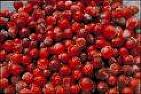
Cranberry juice, obtained from the berries of the plant Vaccinium macrocarpon Ait.,[Ericaceae] has long been advocated by folklorists for the prevention of urinary tract infections [UTIโ€™S].

Originally, it was thought that the juice acted by increasing the acidity of the urine. However, it is currently thought that cranberry possesses โ€œanti-adherence โ€œproperties, which prevent bacteria from attaching to the lining of the urinary tract. Two compounds have been isolated from cranberry , which inhibit the adhesion of E. coli to cells of the urinary tract. In addition, an as yet unidentified compound [found only in cranberry and blueberry juice] along with fructose [which is found in all fruit juices ] have been shown to inhibit E.coli fimbrial adhesions.

In a recent randomized, double โ€“ blind, placebo-controlled clinical trial involving 153 elderly women who ingested 300 mL of commercially available cranberry or placebo daily for 6 months it was demonstrated that the frequency of bacteriuria with pyuria was significantly decreased [after 4 to 8 weeks] in the cranberry group in comparison with the placebo group. In addition, there was a decrease in the rate of antibiotics prescribed by doctors to treat UTIโ€™S in the cranberry group, suggesting a relevant effect of ingesting cranberry juice. Another small,[n=7] randomized, controlled cross-over trial confirms these findings.

Although no side effects, contraindications or drug interactions are associated with the use of cranberry juice, it is imperative to note that cranberry juice should not be used as a substitute for antibiotics in the treatment of acute urinary tract infections

For the prevention of urinary tract infections cranberry juice may be given in a dose of 150 mL to 600 mL daily or as 300 to 400 mg concentrated cranberry juice capsules twice daily

TURMERIC [Curcuma longa Linn ] Family Zingiberacea

Turmeric is a member of the ginger family which has been used historically for both its flavour [it is a major ingredient in curry powder] and its colour [it is used in the preparation of mustard ].

The primary and secondary rhizomes have been used traditionally in China and India for flatulence, jaundice menstrual difficulties bruises and colic. The active agent in turmeric which is responsible for its characteristic yellow colour and pharmacological activity is curcumin, a phenylpropanoid derivative Circumin is reported to be a potent anti-inflammatory agent, to have significant anti-oxidant activity,to increase bile secretion and flow and to have a variety of other direct effects including inhibition of leukotriene formation,and platelet aggregation as well as increasing the breakdown of fibrin and promoting liver function in many ways.

Among the mechanisms postulated for the action of tumeric as an anti-inflammatory agent are that 1 it has an indirect action via the adrenal cortex, 2- it inhibits cortisone metabolism in the liver, thus increasing the amount of circulating cortisone 3- it inhibits 5-lipoxygenase and 4 it inhibits lipopolysaccharide induced production of tumour necrosis factor [ TNF ] and interleukin-1b[IL-1]..

With respect to its use in rheumatoid arthritis, one clinical study which used the postoperative inflammation model for evaluating NSAIDS found that 400 mg of curcumin was as effective as 100 mg phenylbutazone. Another found that symptoms such as joint swelling, walking speed and morning stiffness were improved to the same degree in patients taking either curcumin 1200 mg daily or phenylbutazone 300mg daily

Tumeric has been traditionally used for a number of liver diseases. Although there are no available human clinical studies which have investigated the efficacy of tumeric in these indications, evidence from experimental studies on animals reveal that it increases bile flow and may play a role in protecting the liver from toxins and that it also provides protection from hepatoxin-induced liver damage

Several animal studies have demonstrated that curcumin may have an inhibitory effect on a variety of experimentally induced cancers because of curcuminโ€™s antioxidant action by inhibition of superoxide production, but the clinical significance of these findings remains uncertain.

Circumin has been reported to decrease cholesterol and lipid levels as well as to have antioxidant properties in animal studies

No drug interactions or adverse effects have been found when tumeric has been used in a dose of 400 mg curcumin three times daily or 1.5 to 3 g tumeric daily. However, prolonged use may sometimes cause gastrointestinal upset, and safety in pregnancy and lactation has not yet been established Individuals with blockage of the common bile duct or gallstones are advised not to use tumeric, because of its reputed ability to increase bile flow. It is note worthy that the German Commission E has approved the use of tumeric as an effective cholagogue and digestive aid

A WORD OF CAUTION

Clinical studies on humans have clearly demonstrated that tumeric has a potent inflammatory action comparable to that of phenylbutazone ,a pain killer which has been discontinued in most countries for almost twenty years. It would seem that tumeric can safely be used in the recommended doses as an adjunct to prescribed arthritis pain killers. Perhaps one can use the tumeric as the mainstay, since it is not reported to have any adverse effects or drug interactions and add your prescribed painkillers only when the pain is unbearable even with the use of tumeric. However it does not seem that there is any clinical evidence which suggests that tumeric can be used for the other indications as advocated in the publications emitting from the folklorists.

One has always to consider a few things when using any extract. What are the active ingredients in the extract ? What are the other constituents of the extract ? Are these ingredients all safe ? What are there adverse effects ? Will they interact with prescribed drugs ? โ€œ


Discover more from Barbados Underground

Subscribe to get the latest posts sent to your email.

180 responses to “The Use Of Cranberry Juice In the Treatment And Prevention Of Urinary Tract Infections”


  1. @GP

    I followed the blog on BPH as I was being investigated for same. However, after an ultrasound and biopsy of the prostate it was discovered that one of the 13 areas investigated has a malignancy. A CT scan and bone scan were ordered and done. I am awaiting results of these scans. My question is: Are there alternative (herbal/diet) treatments that are proven to work? My uneducated opinion is that chemo/radiation treatments are very hard on the body.


  2. Annony
    Lets hope for a start that your bone scan is clear and that there is no spread of the malignancy elsewhere.

    I dont know your age which might be a factor that your doctor might take into consideration.

    I dont know about any alternative (herbal/diet) treatments that are proven to work for cancer. We know that Saw Palmetto works for BPH but NOT for prostate cancer.

    Maybe before you get to drastic measures like chemotherapy and radiation your doctor will discuss certain surgical proceedures now in vogue. BUT WE CAN ALL HOPE & PRAY THAT THESE WILL NOT BE NEEDED

    I will not discuss this issue further here because I have to treat you as a patient in this delicate and sensitive issue.

    Debating and having fun feuds and discussions on BU is one thing. Since you have asked me a question on a medical matter I have to treat you like if you were my personal patient.

    My sincere approach to you is
    1- wait on those scans
    2- pray
    3- give me a wire at lswiltshire@hotmail.com with BU ANNONYMOUS in the subject line using a fictitious email address so as not to identify yourself, and I will tell you the little I know.


  3. @Annony
    My prayers and thoughts are with you.Keep in touch with the good doc GP


  4. Georgie

    Dรฉcoupage I et dรฉplacement que vous remรฉdiez ร  et le mettez bord ร  bord Pat’s


  5. BAFBFP
    Is why you cussing me all dem bad word dem? Eh? And what is that you trying to encourage me to do to Pat? Eh? LOL

    Wunnah ex Lodge boys pun dis blog aint easy, ya know. LOL


  6. @ Anonymous

    I wish you luck. I hope it is not too advanced. My father passed a year to the day after his diagnosis.

    Write Dr. GP post haste. He will forward the information by return mail. He did it for me.


  7. @ Dr. GP

    Seems you are appreciated after all. Thanks for all the medical information.


  8. Anonymous

    Best wishes

    GP

    Shhhhhhh…ac listening…!


  9. @Anon, you may find this link useful.

    http://media.ktradionetwork.com/media/images/coldwell/coldwell.html.


  10. @ Illulminator

    What money making nonsense you trying to sell to Anonymous?

    Do you not think that if it was all mind over matter that cancer would NOT develop in the first place? No one wishes these conditions on themselves, so they cant just wish them away.


  11. WILLOW Salix species
    Several members of the salix genus have traditionally been used to relieve mild pain,and in the treatment of feverish conditions and rheumatism

    The bark of young branches is used medicanally for the phenolic glycosides [including salicin, salicortin ,tremulacin and salireposide ],which they contain

    However, when one considers the relatively low quantity of salicin in these preparations compared to conventional salicylate medications,it is unlikely in pharmacological terms that any available willow preparation will effectively manage these conditions.

    In other words purchase of these products may be a waste of money.

    The phenolic glycosides in willow are thought to act as prodrugs, being converted in the liver
    and intestines in multiple stages to the active moiety, salicylic acid .

    As a result these substances have a
    slower onset but a longer duration of action than conventional salicylic acid [aspirin ].

    Salicin does not irreversibly inhibit platelet aggregation as aspirin does

    Reviews of the literature indicate that side effects which are rare and mild consists of nausea, digestive upset and headache and whereas no drug interactions could be found interactions pertaining to conventional salicylates appear applicable.

    The contraindications applicable to the use of conventional salicylates are believed to be applicable to the use of willow products i.e use is contraindicated in asthma, diabetes, gout, haemophilia,
    hyperthrombinaemia, active peptic ulcer disease,G6PD deficiency, individuals sensitive to aspirin, pregnancy and lactating mothers.
    ,
    One dosage regime for Willow specifies that it be given as daily doses of preparations [ in the form of dried raw herb,hydroalcoholic or aqueous extracts,tinctures or fluid extracts] equivalent to 60-120mg [up to 240 mg] of salicin daily.

    Another regime suggests that it may be given in doses thus : 20-40 mg of salicin,1-2 mL of liquid extract [1:1 25 % ethanol],5-8 mL of hydroalcoholic tincture [1:5,25 % ethanol] or 5-10 gm of raw herb three times daily


  12. HERBAL HINTS
    HERBS THE DOS & DONโ€™Tโ€™S

    DO buy products that detail all the ingredients .Products by Natureโ€™s Way are highly recommended since this firm is owned by a German parent company which is subject to meticulous European standards,compared to other sources.

    DO buy standardized extracts when possible

    DO consult your doctor before taking any herbal medicines to check on interactions with other drugs or other potential problems .

    Herbs are drugs and should be treated with respect .They are not to be taken lightly because they are natural products . Some of the most toxic substances in the world are natural.

    If your doctor knows nothing about herbs consult a licensed naturopath .These have usually taken extensive course work in botanical medicine.

    DO your homework and read on the subject first but rely on medical research not packaging claims.

    Agencies in the U S A are busy translating Germanyโ€™s Commission E monographs on herbal medicine. This is a famed and widely used government funded study by an agency equivalent to the F D A .

    DONโ€™T ever give herbs to infants and children under age 2; their immature livers cannot detoxify many substances. and since comprehensive tests have not been conducted to determine their safety.

    DONโ€™T take any herbal preparation if you are pregnant, attempting to be pregnant or nursing

    DONโ€™T take a large quantity of any one herbal preparation Take the dose recommended on the label since you have no idea how much is considered toxic nor do you know whether you have a biological susceptibility to that product

    DONโ€™T take any herb you are uneducated about for a prolonged period since sometimes the effects are cumulative.


  13. Recent surveys in Canada reveal that 15-25 % of the populace use some form of alternative or complementary medicine.

    Similar surveys in the USA report an incidence of use of 34 %.In the US survey, only 1/3 of the respondents admitted the use of a complementary health provider implying a high level of self medication .

    Canadians spent $ 150 million on herbal products in 1995 and $170 million in 1996 .In the US $1.5 billion were spent on herbs in 1995 and sales are escalating !

    Although we have no reliable reports of the numbers of Bajans using herbal products or the sums spent thereon,it is evident from the number of health stores springing up and the display of a number of herbal products on the shelves of supermarkets and pharmacies that herbal medicine is being used in Barbados on an increasing scale.

    Botanical medicine is becoming big business for pharmacists in Barbados as it is for pharmacists elsewhere in the world .

    Although many see botanical medicines as a new โ€˜niche ;โ€™ for pharmacy ,there are opponents of this view who emphasize that pharmacists have little or no training in this field .

    Most practising pharmacists in Barbados have received no formal training in botanical medicine.
    Their knowledge of this subject may then be safely described as sparse .

    This situation is particularly alarming when one considers the rate at which botanical products are being placed on the shelves of our drug stores Since knowledge of botanicals is lacking by our pharmacists, from whom is the Bajan public seeking advice with respect to the herbal preparations sold in our pharmacies ?

    It is clearly evident that continuing education seminars providing instruction on topics of botanical medicine is imperative .In depth courses for pharmacists are required !

    One of the cornerstones of pharmaceutical care is helping patients to make informed decisions
    about their health care.

    One does not have to be a nuclear scientist , to appreciate that to be able to teach
    or to disseminate information ,that one must have themselves been taught or have acquired the information.

    As patients therapeutic choices expand to include the use of botanical preparations ,pharmacists
    are being asked to play a role in helping them negotiate the maze of volumes of [mis]information to
    enable them to assist their clients in making the best informed choices ? But how can they be taught without a teacher?

    As patients chose to use botanical preparations, it is mandatory for pharmacists to provide monitoring ,advice,and to report adverse effects ,herb-herb or herb-drug interactions when
    necessary.

    This new role for the pharmacists obviously requires a practitioner who has a good working knowledge of botanical medicine and the aptitude for problem solving .

    The need for courses to
    provide local pharmacists with the necessary foundation of knowledge from which they can counsel their
    patients about the botanicals they are selling is clearly a must.

    Besides training some form of regulation is in order. Several question arise and several problems immediately loom. Many herbal products are sold in supermarkets as food supplements . This must be regulated .After all herbs are drugs and are potentially dangerous. Drugs should always be dispensed or sold by personnel trained to do so .

    Supermarket staff are not equipped to counsel anyone about drugs or herbs.
    Assuming that the Community College [which currently trains local pharmacists ] can put on the necessary courses to update our pharmacists,to whom will the pharmacists report their findings of adverse effects or product interaction ? To the Drug Service or the Chief Medical Officer ? the Minister Of Health,

    All of these agencies are already knee deep in a myriad of easier problems which they seem to be unable to efficiently solve .

    What happens {as does occurs] when patients take their herbs and do not inform their doctors.The patient may be blissfully ignorant of the side effects or the possible drug โ€“herb interactions .

    In so doing who is to blame when ought goes wrong ?What about the problem of labeling ? For example, many people use Schilling oil with some good effect. Iam still trying to ascertain what is/ are the active ingredient[s] in this preparation.

    Patient counselling tips
    Ask yourself or family member or friend

    Is the herbal product being used to treat a self limiting conditiion?
    Is a herbal therapy appropriate?
    Is the herbal therapy appropriate?
    Is the patient taking any other medications[conventional or unconventional ?]
    Are the herbal products available of good quality ?
    Is the patient currently under the care of a complementary health care provider?
    Are there any other factors you must consider [e.g. pregnancy,cardiac conditions, diabetes etc ]


  14. HERBAL CAVEATS

    It has become increasingly very fashionable to use herbal teas and other herbal preparations in Barbados . This is very evident from the number of capsules powders and tea boxes on display on the shelves of supermarkets and health stores .

    A phletora of such products beckon your dollar with promises of curing insomnia, hay fever, obesity and even cancer.

    Use of these concoctions are supposed to bestow radiant health to the user. However most of the labels offer very little specific information for their use nor is there important information with respect to adverse effects , cautions contraindications etc

    Of course sales personnel are at hand to tell you that this one cures PMS or that the other is useful for digestive maladies, advice that these salespeople are unqualified to give as they have never studied pharmacology or pharmacognosy [plant ,animal and mineral pharmacy ] or attended medical school.

    How many of our pharmacists have even taken a course in Botanical Medicine?. I am not trying in this article to kill any ones joy or love for herbal products and the desire for many to be natural .

    However, there is a need to understand that herbs are drugs and that some of the most lethal substances are naturally occurring .The public needs to be aware too that since there no laws to ensure that these products be proved effective, let alone safe who knows if the herb you are taking will heal or harm you ?

    The cynic and the silly will argue that there have been more adverse reactions to prescription and over the counter drugs than to any herb but it is more correct to say โ€œ reported adverse reactions โ€œ since the public is unaware of the side effects and possible interactions of herb with foods chemical preservatives in food and with prescribed drugs .

    An herb is a plant or plant product valued for its medicinal, savory or aromatic purposes. the use of herbs as medicine is probably as old as humankind .

    The ancients learned about them probably by observing which plants the animals ate when they were sick .However since the remedies of our ancestors are not classified as medicine here in Barbados, there are no standards regarding ingredients and labeling .

    Although it is very difficult to have a new drug approved ,there are no such difficulties [at least on this side of the Atlantic ] in having a herbal product on the shelves of supermarkets and heath shops as indicated by the fact that the Americans bought $ 1.5 billion worth of herbal concoctions in 1995 and sales are escalating !

    This trend is fueled by word of mouth, several multi level marketing programs touting โ€œhealth supplements โ€œ as well as books and articles by reputable authors, Naturopaths and other Alternative Medical practitioners.

    Plant based supplements have thus become increasingly popular in that country and once it is good for them we seem to think it is good for us in Barbados .

    In the USA, the FDA has to prove an herbal product is dangerous before they can pull it from the shelves. In the USA as in Barbados anything goes when it comes to the use of herbs[ except cannabis ]- itโ€™s a mine field for consumers for there are absolutely no standards of quality.

    In November1995 ,Consumer Reports tested 10 different brands of ginseng and found huge variations of active ingredients in each .Some brands have hardly any ginseng at all !

    There is a need in Barbados for regulating herbal supplements as drugs and thereby reduce the roulette gamble of chosing products since the products which would be approved would be those manufactured by companies which can show that their products are safe and have the specific healing properties which they claim.

    The reputable drug manufacturing companies have not become involved in the preparation of herbal products because they say that it costs one third of a billion dollars to conduct the randomised double blind trials necessary to get a single drug on the market. Since herbs arenโ€™t patentable . manufacturers cannot make back this investment.

    The plant world has many gentle and safe plants that can boost your immune system , reduce insomnia , ease migraine , relieve stomach aches etc but care has to be exercised in their use .

    That is the major plank of this essay and is well illustrated by a report of a woman in the USA, who died after drinking large quantities of an herbal weight loss tea for several months which contained senna .

    Senna has been used here in Barbados for ages and is perfectly safe if used in the small doses commonly employed for a day or two. But high doses over prolonged periods of time will deplete potassium levels in the body causing the heart to stop, as was the case with this lady. The teaโ€™s label did not even mention the risk of long term use of senna ,and was certainly criminal in advocating its use as an agent for weight loss!

    Alternative medicine and the use of herbs is traditional in much of the world and in Western Europe many, countries have approved herbs to be used as drugs both prescribed and over the counter.

    Research on herbs in the USA and at our UWI is woefully lacking. but in countries such as Germany ,England and a few Asian countries large scale studies of the efficacy of a number of herbs have been scientifically ascertained .

    These articles on BU are being written by a professional advisor qualified in Botanical Medicine who has been perusing reports from relevant sources to prepare the articles you have been seeing in this column in the publicโ€™s interest.

    The herbs presented in these articles on BU are thus a scientific guide to what researchers do know. This guide will help you to decide as you wander and wonder through the maze of currently available herbal potions .

    If one of the herbs you hope to use is not mentioned here, caveat emptor .


  15. GP

    One notable side effect is that Saw Palmetto causes breast enlargement in some men
    *************************************
    Sometime you just canโ€™t win


  16. Yes Sarge. This is one of the side effects that the Health store owners dont tell the consumer.


  17. @ GP

    You are right to warn about the side effect. Browsing through my book last night I saw a warning for pregnant wormen. Apparently the particular herb can cause stomach spasms and initiate abortions.

    The health food store I shop at has a fulltime naturapathic doctor, who is availiable for consultations in the same way you can request one with a pharmacist re prescriptions drugs.

    The leading herbal company here is Swiss – Jamieson’s. I have used some of their products over the years :- St. Johns Wort, Echinacea, Black Cohosh.


  18. How you know that the DLP does not know what it is doing and why Barbadians now fell DLP Ministers should drink Cranburry juice and call elections by June

    ++++++++++++++++

    by CLYDE MASCOLL

    THE BARBADOS ECONOMY performed much worse than expected in 2009 because of a difficult external environment and some poor domestic policy choices.

    The unwarranted heavy taxation created a larger working poor population, who continue to live on the knife’s edge, given the mortgage commitments, the car loans, rising costs of health, home and car insurance, the bemusing food bills and the utility bills, to mention a few.

    It should surprise no one that in spite of the taxation budget in July 2008, with most of the measures taking effect in October 2008 and January 2009, the Government collected less indirect taxation in 2009.

    An indirect tax is a tax on expenditure and so in a recessionary environment, nominal expenditure is expected to slow down, if not fall, especially if inflation abates.

    http://www.nationnews.com/comments/guestcolumnists/mascoll-column-jan15-10-copy-for-web


  19. Pat

    All drugs and herbs have potential side effects or may react with foods or other agents we might be using.

    We have a rule in Medicine that “All women of child bearing age are pregnant- unuil proved otherwise.” This is especially important with abdominal pain to avoid the risk of missing an ectopic pregnancy – which is life threatening.

    I teach my Pharmaology to observe this rule when prescribing drugs to avoid the risk of a drug affecting the fetus adversely.

    Since the thalidomide fiasco in the early 60’s we ought always to think of pregnancy in the women of child bearing age for whom we prescribe.

    It is good that your health food store has a fulltime naturapathic doctor, who is availiable for consultations.

    Be careful with St. Johns Wort; treat it just as you would any antedepressant. Be sure to avoid cheese, bovril etc with its use.


  20. Would drinking Cranburry juice have prevented the DLP from imposing the unwarranted heavy taxation that created a larger working poor population, who continue to live on the knifeโ€™s edge, given the mortgage commitments, the car loans, rising costs of health, home and car insurance, the bemusing food bills and the utility bills, to mention a few?


  21. WILD YAM diascorea villosa L

    Wild yam [diascorea villosa L},family diascorea is to be distinguished from the vegetable yam [ Ipomea batatas [convolvulacea] Many different species of the genus discorea exist,but diascorea villosa is the one most often used, the roots being the part of the plant which is employed medicanally. It is note worthy that the therapeutic actions of the plant dissapears on storage

    The mechanism of action of diascorea villosa has not been elucidated.

    Diosgenin, a substance isolated from the Mexican wild yam was considered of prime importance in the pharmaceutical manufacture of a number of steroidal substances ,especially in the manufacture of early oral contraceptives.

    Unfortunately with out any evidence to support the claim, wild yam extracts have been marketed as a โ€œhormonal precursor โ€œ ,particularly asโ€™ naturalโ€™ progesterone products .

    Confusion has also arisen by claims that diosgenin can be converted into the steroidal substances dehydroepiandrosterone [DHEA ]and progesterone,following oral and topical administration .

    Despite evidence to support these claims products have been marketed [and are available in Barbados ]as โ€˜hormonal precursors.

    Investigations by Araghinikam et al demonstrated that oral administration of a compound containing 90 % wild yam extract did not increase serum DHEA levels in a group of elderly patients

    A later similar study by Dolbaum ,in which saliva specimens were analyzed in a group of women taking products containing Mexican wild yam, agreed with the findings of Araghinikam.

    Reviews of the literature have revealed no cases of drug interaction or of adverse reactions for the plant itself.

    However cases of โ€œhormonal effects [early menopause symptoms, masculinisation of females and hypertension ] to a commercial product have been reported.

    However, since no details to the exact composition of the product were given little can be said of the clinical relevance of this report.

    Because of the lack of information on this product, wild yam should be avoided in pregnancy and grave concerns must be entertained regarding the effect of products referred to as Mexican wild yam and conditions with a strong hormonal aspect such as breast and prostate cancer

    Traditionally wild yam is reputed to have anti-spasmodic, anti-inflammatory, diuretic and anti-rheumatic properties and can be given orally for intestinal colic, diverticulitis, irritable bowel syndrome and bilious indigestion, arthritis ,joint inflammation, ovarian pain ,painful menstruation and labor.

    I must confess that my recent excursion in the literature on wild yam has dampened by enthusiasm for its use .Clearly caution is advocated here . A word to the wise is enough !


  22. TEA TREE OIL
    Tea tree oil is produced by steam distillation of the leaves of Melaleuca species ,a member of the myrtle family. Addition to its medicinal applications it is now extensively used in the cosmetic and skin care industry

    In 1985 oil of Melaleuca was standardised such that the oil should contain 30 % or more terpinen-4-ol and less than 15 % cineole .

    It is important that the commercial product not be derived from other Melaleuca species because some of these contain high concentrations of cineoele, a skin irritant that also reduces the antiseptic effectiveness of terpinen-4-ol

    Tea tree oil has antiseptic and antimicrobial properties and has been reported to act against a number of bacteria, fungi and yeasts including Candida spp, Trichophyton rubrum and Staphylococcus in vivo.

    It has been used in the treatment of acne, oral thrush, fungal vaginitis and fungal infections such as tinea pedis [athleteโ€™s toes ] and ringworm.

    With respect to the treatment of acne ,the efficacy of a 5% tea tree gel was compared [ in a clinical trial involving 124 patients],to that of a 5 % benzoyl peroxide lotion after three months. The tea tree oil was shown to have a longer onset of action and to be less active on the inflamed lesions but to exhibit a much lower incidence of side effects [such as dryness,itching and scaling of the skin ] than benzoyl peroxide.

    A randomised multicentre,controlled clinical trial involving 117 patients with onychomycosis compared the efficacy of tea tree oil 100% with 1% clotrimazole cream over a six month period and found that both preparations were comparable in efficacy,cost and the same incidence of side effects [7 %].

    In another randomised,double blind trial carried out over a five week period involving 104 patients with tinea pedis,the efficacy of a tea tree oil cream 10% was compared to 1 % tolnaftate cream or placebo ,tea tree oil was found to be as effective as tolnaftate and superior to placebo in the relief of symptoms.

    Tree oil should not be given orally because it is strongly irritant when thus administered.

    Although tea tree oil is very mildly irritating on topical application it does not result in either sensitisation or phototoxicity

    CARE should be taken when using very concentrated tea tree oil products in children and fair skinned people No cases of drug interaction has been reported

    Tea tree oil has definitely been shown to be useful in the treatment of some fungal infections. However. many tea tree oil products used in the cosmetic and toiletries industry contain only small amounts of active substance and the medicinal efficacy is often very questionable.

    IN OTHER WORDS YOU MIGHT BE GETING ROBBED!

    When using a tea tree oil product therapeutically for the conditions discussed above,it is best to adhere to the Australian guidelines for terpine-4-ol/cineole content for optimum results.


  23. There was a time when men were describe as good when they did something remarkable like create jobs, reduce the national debt, find a cure for an infectious disease or manage the economy well.

    Not so in Thompsonโ€™ case. We are told that David Thompson is good because he is going on tour to Haiti.

    So the DLP is the party of touring, talking, traveling, feting and gimmicks.

    The tour to Haiti is an example.


  24. @ Georgie Porgie

    Interesting letter in the Nationnews today written by another Kolij contemporary; Smokey Burke.


  25. Imagine! david Thompson said that Barbados does not have a cash flow problem, yet the Central Bank reprot for 2009 says something completely different.

    Is Thompson lost or did he lie?

    There is a fiscal crisis created by the DLP and as a result current expenditure is exceeding curent revenue.

    So much for integrity legislation and good governance.


  26. Yes Hants.

    Smokey is a smart chap who was a victim of the “system” at HC in our time.

    Once some one thought ill of you for no real reason you were reported to and ill spoken off in the “Retreat” and virually discarded.

    Too many boys arrived at HC and failed in that system or were failed by the system or not developed by the system.

    How does a chap enter HC with top marks in a National Exam and fall through the cracks?

    It is amazing the stories I have heard from chaps for who no one took interest in their real personas- rather than whom they were thought to be.


  27. How does a chap enter HC with top marks in a National Exam and fall through the cracks?

    When you find the answer, let me know!!

    On another note, GP, my mum went for a checkup at her doctor and he told her the blood pressure was high. She said ,”ok Doc, leave it to me, dont give me any tablets.”
    She came home and boiled mauby bark (bitter as hell) and drank it,without sugar, every morning for 3 days. On the 4th day she went back and her BP was ok.
    Do you know of any wonders in mauby bark?


  28. @ Technician

    I am not a Dr. but I have hypertension. Blood pressure is not constant, it fluctuates. She should have had it read daily over a period of about two weeks to get an accurate reading. Because it was up when she saw the Dr. does not mean she was suffering from hypertension. Sometimes just going to the Dr. is enough to stress people out.

    When ever I go, the nurse takes 3 readings from two different machines. If she does not like the reading I have to sit for half an hour and she reads it again.


  29. Technician
    Re
    How does a chap enter HC with top marks in a National Exam and fall through the cracks? When you find the answer, let me know!!

    Believe you me it happens here? And it is a shame especially when it is a poor boy.

    Re Do you know of any wonders in mauby bark?

    No I dont. I am not aware of any research on mauby bark. Note that the information I am sharing was researched over seas.

    I wonder how many people take mauby as serious as we do? Who? why? where? We get the bark from overseas, not so? They gave me something they called mauby in St Kitts that was alchoholic and nothing like our mauby.

    Maybe you mom didnt really have hypertension, as there is very much truth in what Pat says above. Also is your mom very slim or very big? Cuff size is very relevent to determining BP.

    Also note that our love for mauby (and beer) as one gets older is the fact that the tate buds for bitter tends to predominate as we get older I am told.

    When we are very young its the taste buds for sweet that seem to hog the show, and we revel in sweet things………probably to ensure that children get energy from carbs?


  30. Now that the evidence show that contrary to what Thompson told this country – Barbados has a cash-flow, what?


  31. @Georgie Porgie

    If you get the chance read Smokey’s article. It is interesting with regards to his illness and the relevance of prayer and healing.
    here is a couple excerpts from his letter

    “As some are probably aware, I was diagnosed four months ago with “an aggressively malignant cancer” (not my words) and to this point, despite myriad tests, I have received no earthly treatment”

    “I had an unscheduled visit one day from Mike Sealy, who said God had sent him to pray for me and anoint me! I humbly acquiesced and although I felt nothing physical at the time, there was a serenity that came about me.

    While others (relatives and concerned individuals) were remonstrating about the ineptitude of our beloved QEH, I was cool and unpanicked.

    As you may know by now, the swelling has disappeared and I have to tell you that the lump, which is now very soft, is also very small to the point of virtual disappearance. “


  32. When the Good Doctor or Pat returns, ask them if they know anything about “finger grow”, a tree with some fine leaves, that use to be prevalent in Barbados years ago.

    It was said to have special properties that would make wrong things right.

    It has virtually disappeared from the Barbados landscape.


  33. @ Maekai

    No ask them about competence juice and give the DLP some


  34. Hants
    Please send me the link for the article about William (aka Smookey) Burke. I cant find the article

    Meakai
    I am totally ignorant about โ€œfinger grow


  35. Doc, you may have heard it called a different name.

    It was said that tea brewed from the leaves of this tree, would cause a woman to abort, if it was drank early in the term.

    I think it is now illegal to posses it and the only place that I know where you can still see it growing is Cave Hill.


  36. Mekai

    You are referring to the Neam tree I think.


  37. Meakai

    Could you describe the tree and its leaves, flowers and fruit if any. This wuld help me with identifying it in my herb book as you do not have the botanical nor Latin name.


  38. @ Alex Ferguson

    Stop mewling, whining and puking all over this blog like a baby. cheupse man, go find employment or something to occupy your mind and time.


  39. Thanks Hants


  40. @ Hants…

    Thanks for the link also, Smokey is a very good friend of mine but as I am in the USA, we have not communicated for a while. I hurt me when I heard of his illness only a month ago but I am glad that he is better today. Hopefully he will be making the tour this year to Dominica and we would talk then.


  41. @BAFBFP
    Sweetie i’m missing you!


  42. DLP Promised change but now telling the people lies

    +++++++++++++++

    Barbados, where is your sense of outrage?

    The Report of the new Central Bank Governor shows that, contrary to what Prime Minister Thompson told thsi country – the DLP Government has a fiscal crisis or a cashflow problem – where current Expenditure if far more than Revenue.

    Now that you know that you cannot trust the DLP and that the DLP – our Government – is telling us lies – what?


  43. MEADOW SWEET [ Spiraea or Filipendula ulmaria [L] Maxim ] family Rosaceae

    The aerial parts of this plant are rich in salicylate-rich volatile oils and salicylic acid was first extracted from it, the term aspirin [acetylsalicylic acid ] means โ€˜from Spiraea]
    .
    The useful healing properties of meadow sweet are now generally thought to be due to the presence of salicylates in the volatile extracts of the aerial parts of the plant.

    However,long before the chemical identification of the active components of meadow sweet , it has traditionally been indicated for digestive upset[ including ulceration ,dyspepsia and hyperacidity],rheumatic conditions and pain.

    Thus meadow sweet is often combined with other โ€œ digestiveโ€™ herbs such as chamomile, licorice, marshmellow and peppermint .

    Also many herbal painkillers contain meadow sweet combined with extracts of willow bark

    Pharmacologically, extracts of meadow sweet has been shown by a few clinical studies done by Russian workers to exert an anticoagulant and fibrinolytic effect both in vitro and in vivo and when applied as an ointment to show increase regression of cervical dysplasia in 32 patients.

    Extracts of meadow sweet have been shown by clinical researchers elsewhere to possess bactericidal and bacterostatic properties

    Animal experiments with various extracts of meadow sweet have been reported to cause the following effects; to lower vascular permeability and increase bronchial tone in cats ,to increase histamine induced bronchospasm in guinea pigs, increase tone in vitro in guinea pig intestine and rabbit uterus and to potentiate narcotic action

    Whereas an anti ulcer action has been noted in some animals the ulcerogenic nature of histamine was potentiated by an extract of meadow sweet on the guinea pig..

    The cautions/contraindications and drug interactions of meadow sweet are the classic ones which are generally associated with salicylates [e.g. aspirin].

    Therefore meadow sweet should not be given concomitantly with oral anticoagulants, individuals sensitive to aspirin, or patients suffering with asthma .gout ,diabetes haemophilia, active peptic ulcer disease, hypoprothrombinemia orkidney and liver disease.

    Since meadow sweet has been shown to affect uterine smooth muscle in vitro it should be avoided in pregnancy and lactating mothers

    There are no side effects reported for the use of meadow sweet when it is given in the following suggested doses . 4-6 g of dried herb three times daily or 1.5-6 mL fluid extract [1:1 in 25 % alcohol]three times daily or 2-4 mL tincture [1.5 in 45 % alcohol ] three times daily .


  44. SCULLCAP
    (Scutellaria lateriflora L.)Family:Lamiaceae also known as Labiatoe

    Many different species of the genus Scutellaria are used medicinally, although most texts identify lateriflora as the most common species.

    Inaddition,ScutellariabaicaiensisGeorgi(BaikaIScullcap/Huang -qin) is a major medicinal herb used in traditional Chinese medicine.

    In the western tradition the aerial parts of the plant are used medicinally, whereas the roots of Baikal Sculicap are used within the Traditional Chinese Medical model

    Scullcap is reputed to have a sedative, anti-spasmodic, and anticonvulsant properties.

    Oral consumption is considered useful in the treatment of conditions related to nervous tension and exhaustion . It is often used in patients with hysteria, spasms or convulsions.

    Extracts of Scutellaria and its constituents have been shown in vivo and in vitro to: inhibit lipid peroxidation, possess antibacterial and antiviral properties, influence arachidonate metabolism, influence lipolysis and lipogenesis, decrease release of histamine from rat mast cells, and decrease serum lipid levels

    Large doses of scullcap can cause giddiness, confusion, drowsiness and convulsions. In addition, herbal products containing skullcap as one of the ingredients have been implicated in a number of cases of hepatotoxicity, which has resulted in the removal of a number of herbal skullcap preparations from the market in the United Kingdom.

    Given the lack of information and the cases of possible hepatotoxicity mentioned above, products containing scullcap should not be used in pregnancy or lactation .2

    While no clinical examples could be found, given skullcap’s reputed sedative action it should be used with caution in patients taking conventional centrally acting medications.

    Skullcap is given as 1-2 g of dried herb/2-4 mL of liquid extract (I : I in 25% alcohol)/ 1 -2 mL of tincture (I :5 in 45% alcohol) three times daily.


  45. Here is more evidence that the DLP lied to the people of Barbados.

    Here are a few of what it promised to do in its first 100 days in office. It has now been in office for 731 days:

    ++++++++++++++++++++++

    100 DAY PROMISES

    Land continues:

    ๏‚ง WITHIN 100 DAYS of gaining office in the next general election, the Democratic Labour Party (DLP) will put a strict land and agricultural policy in place, since nothing is currently untouchable under the current administration.
    Nation, March 16, 2008.

    ๏‚ง Within the first 100 days of winning the Government, the DLP would introduce an Agriculture Protection Act requiring two-thirds majority of both houses of Parliament for a change-of-use from agriculture for any area over two acres.

    ๏‚ง Amendments were also promised to the Land Acquisition Act, requiring Government to pay compensation on the replacement value rather than the market value of property; while providing a $2.50 subsidy per square foot to first-time landowners with lots up to 5 000 square feet.

    Energy

    ๏‚ง Within the first 100 days of taking office, his administration would remove the Value Added Tax (VAT) on electricity bills for domestic users and a review of other household utility bills.

    ๏‚ง VAT would also be removed from manufacturers’ electricity bills once they could demonstrate they were working towards exportation and earning foreign exchange.


  46. Can anyone say exactly why did our WAIT-AND-SEE Prime Minister decide to TRAVEL-To-SEE, when he could have seen what was happening in Haiti on CNN and BBC World, like the rest of us who may even care more about the people of Haiti, than he does?


  47. SLIPPERY ELM
    (Ulmus rubro Muhl.) Family: Ulmaceae

    When the bark of Slippery Elm is mixed with water it produces a thick viscid mucilage, composed of a number of sugars, tannins sesquiterpines and calcium oxalate. This mucilage was used in conditions where the mucous membranes were inflamed and irritated, both externally and internally. It was also applied externally to sores, wounds and abscesses.

    Slippery elm is reputed to have demulcent, nutrient, emollient, astringent and antitussive properties.

    Oral consumption is considered useful in the treatment of any condition presenting with inflamed mucous membranes including gastritis, peptic ulcer disease, enteritis and colitis.

    Due to their astringent action, slippery elm products are also used within the herbal tradition to treat diarrhea and food poisoning

    Slippery elm is also often taken as a lozenge for the relief of coughs and minor throat irritations External application, usually as a poultice, is used for ulcers, boils, wounds and abscesses .

    Research has shown that mucilage has a demulcent action and that the tannins have astringent properties.

    There are no known adverse or drug interactions associated with the use of this medicinal herb.

    However, products prepared from the whole bark are used as abortifacients. This caution is not applicable to powdered slippery elm obtained from the inner part of the bark.

    The dose of slippery elm is 5 mL of liquid extract (1 : 1 In 60% alcohol) three times daily OR 4-16 mL of a 1:8 decoction of powdered bark three times daily.

    The decoction should be made in the following manner: ” Use 1 part of the powdered bark to 8 parts of water. Mix the powder in a little water initially to ensure it will mix.

    Bring to the boil and simmer gently for I 0-1 5mins. Drink half a cup three times a day. As mentioned above, slippery elm is often sold as lozenges and is often mixed with other demulcents notably Althaea officinalis L. (Malvaceae) or Marshmallow.


  48. @ DR. GP

    My book says only the inner bark is used as medicine. All other info is same.


  49. @ Alex Fergusson

    Why are you spamming these articles where people are discussing health issues and other meaningful topics?

    Why can’t you post your political comments in relevant articles ?

    Show some consideration for your fellow bloggers.

The blogmaster invites you to join the discussion.

Trending

Discover more from Barbados Underground

Subscribe now to keep reading and get access to the full archive.

Continue reading