Banner promoting anonymous crime reporting with a phone and contact number 1 800 TIPS (8477), featuring the Crime Stoppers logo and a QR code for submitting tips.

โ† Back

Your message to the BLOGMASTER was sent

Submitted by Doc Georgie Porgie
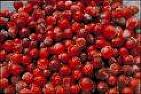
Cranberry juice, obtained from the berries of the plant Vaccinium macrocarpon Ait.,[Ericaceae] has long been advocated by folklorists for the prevention of urinary tract infections [UTIโ€™S].

Originally, it was thought that the juice acted by increasing the acidity of the urine. However, it is currently thought that cranberry possesses โ€œanti-adherence โ€œproperties, which prevent bacteria from attaching to the lining of the urinary tract. Two compounds have been isolated from cranberry , which inhibit the adhesion of E. coli to cells of the urinary tract. In addition, an as yet unidentified compound [found only in cranberry and blueberry juice] along with fructose [which is found in all fruit juices ] have been shown to inhibit E.coli fimbrial adhesions.

In a recent randomized, double โ€“ blind, placebo-controlled clinical trial involving 153 elderly women who ingested 300 mL of commercially available cranberry or placebo daily for 6 months it was demonstrated that the frequency of bacteriuria with pyuria was significantly decreased [after 4 to 8 weeks] in the cranberry group in comparison with the placebo group. In addition, there was a decrease in the rate of antibiotics prescribed by doctors to treat UTIโ€™S in the cranberry group, suggesting a relevant effect of ingesting cranberry juice. Another small,[n=7] randomized, controlled cross-over trial confirms these findings.

Although no side effects, contraindications or drug interactions are associated with the use of cranberry juice, it is imperative to note that cranberry juice should not be used as a substitute for antibiotics in the treatment of acute urinary tract infections

For the prevention of urinary tract infections cranberry juice may be given in a dose of 150 mL to 600 mL daily or as 300 to 400 mg concentrated cranberry juice capsules twice daily

TURMERIC [Curcuma longa Linn ] Family Zingiberacea

Turmeric is a member of the ginger family which has been used historically for both its flavour [it is a major ingredient in curry powder] and its colour [it is used in the preparation of mustard ].

The primary and secondary rhizomes have been used traditionally in China and India for flatulence, jaundice menstrual difficulties bruises and colic. The active agent in turmeric which is responsible for its characteristic yellow colour and pharmacological activity is curcumin, a phenylpropanoid derivative Circumin is reported to be a potent anti-inflammatory agent, to have significant anti-oxidant activity,to increase bile secretion and flow and to have a variety of other direct effects including inhibition of leukotriene formation,and platelet aggregation as well as increasing the breakdown of fibrin and promoting liver function in many ways.

Among the mechanisms postulated for the action of tumeric as an anti-inflammatory agent are that 1 it has an indirect action via the adrenal cortex, 2- it inhibits cortisone metabolism in the liver, thus increasing the amount of circulating cortisone 3- it inhibits 5-lipoxygenase and 4 it inhibits lipopolysaccharide induced production of tumour necrosis factor [ TNF ] and interleukin-1b[IL-1]..

With respect to its use in rheumatoid arthritis, one clinical study which used the postoperative inflammation model for evaluating NSAIDS found that 400 mg of curcumin was as effective as 100 mg phenylbutazone. Another found that symptoms such as joint swelling, walking speed and morning stiffness were improved to the same degree in patients taking either curcumin 1200 mg daily or phenylbutazone 300mg daily

Tumeric has been traditionally used for a number of liver diseases. Although there are no available human clinical studies which have investigated the efficacy of tumeric in these indications, evidence from experimental studies on animals reveal that it increases bile flow and may play a role in protecting the liver from toxins and that it also provides protection from hepatoxin-induced liver damage

Several animal studies have demonstrated that curcumin may have an inhibitory effect on a variety of experimentally induced cancers because of curcuminโ€™s antioxidant action by inhibition of superoxide production, but the clinical significance of these findings remains uncertain.

Circumin has been reported to decrease cholesterol and lipid levels as well as to have antioxidant properties in animal studies

No drug interactions or adverse effects have been found when tumeric has been used in a dose of 400 mg curcumin three times daily or 1.5 to 3 g tumeric daily. However, prolonged use may sometimes cause gastrointestinal upset, and safety in pregnancy and lactation has not yet been established Individuals with blockage of the common bile duct or gallstones are advised not to use tumeric, because of its reputed ability to increase bile flow. It is note worthy that the German Commission E has approved the use of tumeric as an effective cholagogue and digestive aid

A WORD OF CAUTION

Clinical studies on humans have clearly demonstrated that tumeric has a potent inflammatory action comparable to that of phenylbutazone ,a pain killer which has been discontinued in most countries for almost twenty years. It would seem that tumeric can safely be used in the recommended doses as an adjunct to prescribed arthritis pain killers. Perhaps one can use the tumeric as the mainstay, since it is not reported to have any adverse effects or drug interactions and add your prescribed painkillers only when the pain is unbearable even with the use of tumeric. However it does not seem that there is any clinical evidence which suggests that tumeric can be used for the other indications as advocated in the publications emitting from the folklorists.

One has always to consider a few things when using any extract. What are the active ingredients in the extract ? What are the other constituents of the extract ? Are these ingredients all safe ? What are there adverse effects ? Will they interact with prescribed drugs ? โ€œ


Discover more from Barbados Underground

Subscribe to get the latest posts sent to your email.

180 responses to “The Use Of Cranberry Juice In the Treatment And Prevention Of Urinary Tract Infections”


  1. Sorry i don’t got any scientific info but drinking coconut oil in small amounts stops any urinary tract infections.

    They are lots of simple cures to common problems but no one does research in the tropics about these things they are just happy popping pills imported from overseas.


  2. Hi Ready done

    That is an interesting contribution.

    Can you tell us more about the use of coconut oil?

    How is your aquaponics and hydroponics doing Sir?


  3. Yes!!

    But what can they use or what can Barbadians give the DLP to cure their incompetence and intellectual weakness?

    John Boyce told Barbados yesterday that where ever mold appears in Barbados, the Caribbean or the world – the BLP is responsible.

    Suckoo told them last year that in order to save electricity, Barbadian should pull out the fridge plug when not in use.

    Dennis Kellman said Barbados has an unofficial fishing agreement with T&T and not to be out done, while the people of Checker Hall, St. Lucy were complaining about dust – David Thompson said that the Arawak cement plant should put a “welcome” sign on its roof.

    Will Cranburry Juice work for the DLP or are elections the only hope for Barbadians?


  4. THYME [Thymus vulgaris L ] Family Lamiacea or Labiatae

    Like other members of the mint family, thyme is rich in volatile oils producing a characteristic scent The oil especially thymol and carvacrol which is used medicanally is extracted from the leaves and flowering tops by steam distillation

    Two oils exist, the red oil and the white oil. The red oil is made by redistilling the white oil. Since many sub species exist this can result in differences in medicinal action and composition of the volatile oils .

    Traditionally, thyme has been used orally and topically , for parasitic and fungal infections, in respiratory tract conditions such as bronchitis and asthma as an antitussive, expectorant and for relief of digestive upset [i.e. spasm, gas and distension ] Thyme is also thought to promote detoxification by promotion of perspiration

    The antispasmodic and bronchospasmolytic action of thyme has been demonstrated in vitro and is thought to be due to calcium channel antagonism exerted by the flavenoid and phenolic components of the extract.

    Extracts of thyme has also been shown in vitro to exhibit antibacterial activity, to inhibit the growth of Helicobacter pylori [ an agent associated with the causation of gastric ulcers ] and to have antimutagenic properties.

    Thyme oil has been shown to increase respiration and exert a hypotensive action in animals It also has an anti-inflammatory action and exerts a profound antioxidant action possibly by inhibiting superoxide generation.

    Thyme oil is a moderate dermal irritant and should only be applied topically after it has been diluted with a suitable carrier oil.

    Since thyme oil is considered to be a strong mucous membrane irritant, it is therefore difficult to see how it could be used for its suggested use in the treatment of conditions associated with spasm including bronchitis and asthma. Sensitivity reactions confirmed later by skin prick testing has been associated with thyme

    Thyme is reputed to enhance menstrual flow and should therefore be avoided in pregnancy. Although no cases of drug interaction has been reported, cross-sensitivity reactions with other members of the mint [Laminaceae ] family has been noted.

    Adverse effects of the volatile oil include nausea, vomiting, digestive distress, headache, dizziness, sweating ,convulsions coma and respiratory/cardiac collapse.

    The dose of thyme is 1-4 g of dried herb [often taken as an infusion ] or 2-6 mL[1:5 in 45 % of alcohol] three times daily. 1-2 g [0.5 โ€“1 g in children under 1 year of age ] of the dried herb as an infusion several times a day. or 40 drops [tincture,1:10 70 %alcohol ]up to three times daily.

    COMMENTS :The pharmacological information above with respect to thyme seems very promising, but since the possible benefits of thyme have so far only been demonstrated in vitro it would be wise to exercise caution in the use of this herb except for culinary purposes until formal clinical trials are conducted on thyme especially when one considers the side effects mentioned above.


  5. Thanks for the info GP.

    I use tumeric because I like the taste. I even add it to Bajan pepper sauce.
    Back in the day, poor Bajans used to use fresh tumeric in their “onion gravy” which they put on rice.

    I also use thyme fresh and or dried in seasoning.

    Thyme as an antitussive for Athsmatics is interesting.
    I am an Athsmatic which I have been able to control by continuously using drugs like Flovent and for the last 2 or 3 years Advair.
    I have not seen any side effects from using corticosteroid medication but I have not had a serious attack in 20 years.

    By the way I remove all the Visible fat from any meat I cook or eat.
    Simplistic reasoning tells me that it is a wise thing to do based on what the medical community has said.


  6. Yes Hants!!

    But what can they use or what can Barbadians give the DLP to cure their incompetence and intellectual weakness so that they will come up with a job creation plan?


  7. Hants
    My mom puts tumeric in her pepper sauce too.
    She uses a lot of fresh and dried seasoning also.

    Tumeric has a phenyl ring in its structure. Phenyl rings appear to be necessary for hitting pain receptors and are common in pain killers.

    I got some good results with a particular patient in the late 90โ€™s with tumeric all though we could not tell the correct dose from the literature from the course I tool in Botanical Medicine. He just boiled a piece in water and drank it. Said it tasted badly, but he got good results. He used to get a lot of gastric problems with the NSAIDS.

    Re Thyme as an antitussive for Asthmatics is interesting.
    Remember an antitussive is an agent to help you cough up stuff OK? Not to treat any respiratory condition per se.

    You seem to be on good drugs for your asthma.
    You have not seen any side effects from the corticosteroid medication you are using because the dose in the metered aerosols you are using is extremely low


  8. Most older Bajans will remember Nettle Bush!

    NETTLE(Urtica dooica L., U. urens L.) Family:Urticaceae

    Although considered by many members of the public to be a noxious weed causing a characteristic pruritic rash on contact with the skin, stinging nettle is also a common homeopathic remedy, which has enjoyed a long medicinal history in many different models of traditional herbalism. The aerial parts and the roots/rhizomes of the plant are used medicinally.

    In traditional herbal medicine, nettle leaves are considered very nutritive and consequently they are often used in situations of convalescence and recuperation.

    They are also used to aid milk product-on in nursing mothers , and for its astringent properties in the treatment of bleeding conditions such as from wounds, hemorrhoids and even uterine hemorrhage.

    In Europe stinging nettle root has become one the major phytomedicines used in the management of benign prostatic hyperplasia (BPH), either taken alone, or more commonly administered with other phytomedicines used in the management of BPH such as Serenoa repens (Saw Palmetto) and Prunus africana (African Pygeum).

    The European Scientific Cooperative on Phytotherapy (ESCOP) list the ‘symptomatic treatment of micturition disorders (nocturia, pollakisuria, dysuria, urine retention) in benign prostatic hyperplasia as one of the indications for stinging nettle root.

    Preparations made primarily from the roots of Urtica dioica L. have been shown in vitro and in vivo to affect many aspects of prostate physiology thought to be implicated in BPH.

    These include: inhibition of sex hormone binding globulin (SHBG) to human prostatic tissue; possible suppression of prostate cell metabolism and growth; and weak inhibition of aromotase activity.

    A number of human studies and clinical studies have demonstrated the therapeutic benefit of nettle root in the management of BPH.

    Detailed reviews of these trials, published in ESCOP Urtica radix fascicule reveals that the clinical trials had a duration of between 9 weeks and 6 months , and suggests that the inclusion of the relatively inexpensive nettle root with more expensive phytomedicines used in the treatment of BPH may form a very cost effective method of treatment.

    Oral preparations made from nettle leaf have long been used in the management of various arthritic conditions including rheumatism and gout, due to a diuretic effect resulting in an increased elimination of ‘toxins’ such as uric acid .

    In vitro trials have demonstrated that an hydroalcoholic preparation of the leaves of Urtica cloaca possess antiinflammatory properties by influencing the synthesis of leukotrienes and cyclo-oxygenase derived prostaglandins and also by decreasing the production of a number of inflammatory related cytokines in whole human blood.

    A recent open randomized pilot study of patients (n=40) suffering from acute arthritis compared the effectiveness of stewed Urtica dioica L. leaves (50 gm daily) plus diclofenac (50mg daily) to a larger daily dose of diclofenac (200 mg).

    Both treatments were administered for 14 days. The drug/herb combination was found to be as effective as the higher dose of NSAID in decreasing elevated acute phase protein concentrations and relieving the clinical arthritic symptoms.

    The authors concluded that the action of dicolefenac was potentiated by nettle leaves. Although this may seem promising, this was only a pilot study and some criticism has been made regarding the research design.

    In a double-blind randomized study, carried our during the peak season for allergic rhinitis, the anti-allergic actions of a freeze-dried preparation of nettle was compared to placebo.

    Volunteers (n=98) were assigned to the treatment (300 mg capsules of freeze-dried Urtica clioica) or the placebo group. They were advised to take two capsules at onset of the symptoms of allergic rhinitis.

    Assessment was made by comparing diary symptoms and global response at a follow-up appointment after one week of therapy. Stinging nettle was rated higher than placebo according to the global assessment and slightly higher according to patient diary ratings.

    In vitro trials have demonstrated that nettle leaves have diuretic, hypotensive, hyperglycemic, central nervous system depressant and analgesic action, but the implication of these findings to clinical practice have not yet been elucidated.

    In an open study, administration of 1 5 mL of nettle herb juice was shown to significantly increase the volume of urine excreted by 32 patients suffering from myocardial or chronic venous insufficiency.

    Side effects following oral consumption of products containing nettle seem rare, but instances of scanty urination, skin irritation and gastric distress have been noted .

    Safety has not been established in pregnancy. Given the information of in vitro and in vivo studies, caution is advisable in cases of concomitant administration with conventional anti-hypertensive, diabetes and diuretic medications.

    The dosage regimen of nettle are :-
    For the aerial parts : 2-4 gm of dried herb (normally as an infusion) or 3-4 mL of liquid extract (I :I in 25% alcohol) or 2-6 mL of tincture (I :5 in 45% alcohol) three times daily and for the root:Daily doses of 4-6 gm of root or 1.5-7.5 mL of fluid extract (1: 1, 45% ethanol) or 5 mL of tincture (1:5, 40% ethanol )


  9. It is quite obvious that David Thompson is not drinking his Cranburry Juice.

    Two months ago he told this country that the government does not have a cash-flow promblem.

    We now know – based on information supplied by the IMF and the Central Bank of Barbados that he LIED.

    In its 2009-2010 Estimates, the DLP projected revenues of 2 808 938 602.

    It would hold that the Over Draft Facility at the Central Bank would be $280 million.

    On page 17 of its Article 1V consultation for 2009, the IMF shows current expenditure and current revenue as a percentage of GDP.

    Essentially – current revenue for 2008/09 at 40.3% and expenditure 43.5% and for 2009/10, current revenue at 38.2% and current expenditure 44.9%.

    Now, page 10 of the Central Bank EFS for December 2009 shows Advances at 295,590, with Debentures of $75,000.

    Hence, when that $266,590 is added to that $25m loan from the Central Bank, the total is $291 million, which exceeds the limit.

    Now on page 10 of the Review for September 2009, total current Revenue for 2009 is listed at $1316.5, while Current Expenditure is listed at $1500.5.

    In short – that Thompson lied because there is not enough revenue to cover expenditure.

    THOMPSON MAY NOT BE A LIER BUT HE LIES, BASED ON AVAILABLE EVIDENCE.

  10. mash up & buy back Avatar
    mash up & buy back

    Georgie porgie

    It has also been said that cayenne pepper is a great help to those with arthritis and inflamation of the joints.

    Cinanom for diabetes,green paw-paw for high blood pressure and soursop leaves for cancer.

    Any feedback on that?


  11. mash up & buy back

    You mash me up there, man LOL
    I would have to do research on those Sir!

    I do know, however, that green paw paw contains the proteolytic enzyme papain that was used in the sequencing of proteins.

    I do know too that it is for that reason that folk cook their meat with green paw paw because it acts as a meat tenderiser for the reasons wcited above.

  12. mash up & buy back Avatar
    mash up & buy back

    Georgie

    It is well known in local circles here in Barbados and some doctors have confirmed knowing of this that cinnamon has been shown to have some effect on diabetes.

    We have destroyed all the local herbs we had growing wild all around and instead planted concrete.

    Fever bush,sir-see bush,parsley tea and all the other things we had growing around us are no more.

    The old people never used to drink so much tea with milk,some good ole ginger tea and bay leaf tea used to go a long way,and the old people did not have so much mucus on their stomach from the milk.


  13. So Georgie

    Anything to enhance response time, rigidity and staying power ..(fah men like me with reason to worry)?


  14. @ Alex Fergusson

    Why are you spamming this thread. We are discussing and getting information that will improve the quality of life for some of us.

    For example I will introduce my layman’s opinion that a lot of Athsmatic do not understand that “preventative maintenance using corticosteroids” could reduce dependence on “rescue medication” like Ventolin.

    I think it is because Ventolin gives instant temporary relief.
    Corticosteroids treat the underlying problem.

    If a Doctor does not explain this to some patients in simple language they will not use these medications effectively.
    My Mother died during an athsma attack in Emerg at the QEH. Heart and Lungs failed.

    GP can use his expertise to expand on this.

    Now Alex Fergusson please go and drink some cranberry juice with epsom salts and get some relief from the pain the DLP causing you.


  15. Re BAFBFP

    So Georgie

    Anything to enhance response time, rigidity and staying power ..(fah men like me with reason to worry)?

    Wait BAFBPF You consulting me here in my capacity as a vet or as an undertaker Which? Murdah!

    Now BAFBFP that is a faster straight ball man.

    BAFBPF for men like you I will have to do some serious research. Or arrange a consult with either Pat or Bonny Peppa to give you some good old time Bajan advice Murdah.

    But I cant tell you my secrets here, man. I want to catch JC by surprise.


  16. Actually Hants there are two planks for the treatment of asthma.

    1- reducing the bronchspasm by agents like Ventolin etc 2- reducing the inflammatory response and the muck from the bronchi with topical steroids given in aerosols as inhalers.

    If you not doing both, you will get planted fairly soon!

    Also the asthmatic must have and know what is his rescue medicine for an emergency, and must also use his maintenance therapy to prevent attacks as much as possible.

    These are major issues that all asthatics must worjk out with his doctor and get his doctor to explain.

    Also try to understand what are the things that trigger your attacks and avoid them.


  17. @Mr. Georgie Porgie (probably not his real name)…

    I note you’ve been avoiding my direct questions to you on another thread you recently participated in.

    http://bajan.wordpress.com/2010/01/13/einsteinian-science-epistemology-follows-ontology-marrying-the-conundrum-between-biblical-theology-quantum-physics/

    Some might reasonably ask why?


  18. mash up

    I want you to know that the stuff I am posting on herbs is a summary of a summary made by a Medical School in Canada that teaches Botanical Medicine in its Pharmacology Programme.

    So they reviewed the world literature on about 45 herbs and wrote up the information as you would in a pharmacology text.

    They also referred a lot to both the German & British Formularies. Apparently in these countries a lot of these substances are used in mainstream therapy.

    So this information is not folk lore stuff. Even though you will find that a lot of stuff that our fore parents used might/will be mentioned in this thread.

    Unfortunately, I dont have my manual with me in the US, so I may not be able to help BAFBFP in his quest for “milk and honey” (Hope I dont have to explain to JC on this score…..any more )

  19. mash up & buy back Avatar
    mash up & buy back

    Thanks anyway georgie for the info.

    Don’t let JC get you off the straight and narrow hear brother.

    As to Bonny,she only got eyes for Rok,but he like he needs some help,he sounds like he frighten for Bonny boasee.

    Nuff talk,no action,Wuhloss trouble!


  20. @ Georgie Porgie

    I use Advair which is essentially a combination of corticosteroid and “Ventolin”.

    I also keep Ventolin as a back up.

    I also try to limit exposure to “triggers” one of which is cold air.
    One of the reasons for my planned retirement in Barbados.

    Thanks again for your advice.


  21. Anyone else notice the drop in life expectancy with the introduction of robert manufacture.


  22. @BAFBFP

    what yuh need is some good old time loving it better than viagra.
    The doc can’t answer that .He specialise in religion and sumthin else.
    Yuh still me #1.I am going to get in the tub bubbles and all.


  23. @BAFBFThe doc can’t answer that .He specialise in religion and sumthin else.
    Yuh still me #1.I am going to get in the tub bubbles and all.


  24. PASSION FLOWER (Passiflora incarnate L.)Family:Passifloraceae

    Passionflower was prized by the Aztecs as a sedative The part used medicinally is the leaf.

    Passionflower is reputed to have hypnotic, sedative, analgesic,and antispasmodic properties The ESCOP monograph (the German formulary) lists therapeutic indications of ‘tenseness, restlessness and irritability with difficulty in falling asleep’.”

    In addition, the French and Swiss herbal Pharmacopoeia indicate that it is useful in the management of mild heart conditions. It is thought to be particularly useful in individuals that are weak or exhausted whether through overwork, illness or age. A number of references mention its use in conditions of hysteria and convulsions

    It was initially thought that the harmala alkaloids present in passion flower were the primary active constituents. It has since been shown that these alkaloids are present only in trace amounts. It now appears that the flavonoid components are the ones of most importance

    Psychotropic, sedative and anxiolytic properties have been demonstrated following the administration of very large doses of extracts of Pincarnata L. in a number of animal models. These actions appear to be influenced by the solvent used in the extraction process. Anxiolytic properties are reported to be evident at lower doses with sedation occurring on administration of larger amounts.

    A multi-centered, double-blind study (n= 1 82) demonstrated that a commercial product containing passionflower (Euphytose 0), was significantly beneficial when compared to placebo in the management of adjustment mood disorder with anxious mood. The product was given at a dose of two tablets three times daily for 28 days .21

    The impact of passionflower on this outcome is unknown since Euphytose 0 contains a number of centrally acting phytomedicines, including valerian (Voleriana officinalis L. (Valerianaceae)).

    The evidence supporting the action of passionflower in the treatment of cardiac conditions appears to come from the presence of C-glycosylflavones. These agents (e.g. vitexin, isovitexin) have been shown to be clinically beneficial in the management of a number of cardiac conditions .

    Although a hypotensive action from passionflower has been noted in vivo, concerns have been raised regarding the lack of clinically relevant information available for this herbal product given its widespread use.

    Adverse effects to the use of herbal products in which ‘Passiflora extract’ was the primary ingredient have been unconfirmed.

    Excessive use should be avoided during pregnancy and lactation . Passionflower may cause sedation and inhibit the ability to drive or use heavy machinery. No reference could be found regarding the influence of alcohol when used concomitantly with passionflower

    Passionflower extracts have been shown to increase the sleeping time induced by pentobarbital or hexabarbital in a number of animal models. The clinical relevance of these findings is unknown since the evidence comes solely from animal models and the doses and modes of administration are not generally comparable to those seen in clinical practice.

    Until more is known, it would be prudent to be cautious when administering products containing this herb concurrently with centrally acting conventional medications. It seems ,however ,that the potential exists for interactions with concomitant administration of centrally acting medications

    Passionflower is rarely given as a single remedy but rather combined with other phytomedicines determined by the indication. Since the constituents responsible for the reputed therapeutic action of passionflower have yet to be conclusively determined, it is not advisable that passion flower be used as standardized extracts. Passion flower is given in doses of 0.25-1.0 g of dried herb (can be taken as an infusion) or 0.5 -1.0 mL (1: 1 in 25% alcohol) or 0.5-2.0 mL (1:8 in 45% alcohol) three times daily.

    I wonder what would happen if the chick give BAFBPF passion fruit and slip some passion flower extract in it?
    Seems as if he wont know if he going or if he coming. LOL

    BAFBFP I still doing the rearch for you OK? I have to put mash up and buy back on hold and treat your emergency.


  25. Ca dear ac

    I hear tryin’ tah engage in some secret man tah man conversement fah lil’ advice an’ now I get ketch…

    Georgie

    I glad you jus’ t’row me tah de wolves ’causen I didn’t want ac hear wah you might ah tell me… ca dear I coulda use de advice doh…! Hah aha


  26. Georgie

    I hear yah.. thanks man but ac jus’ fin’ out so you might got tah relay de information in french, I could translate…!


  27. […] rest is here:ย  The Use Of Cranberry Juice In the Treatment And Prevention Of … Leave a comment | Trackback No comments […]


  28. How yuh doing GP?

    Why does circumcision result in lower transmission rates of HIV? I may have misunderstood but I think this is the recent recommendation of the W.H.O.


  29. I have a book on herbs and their medicinal uses, but cant lay my hands on it now.

    When I find it, (probably under the bed) I will find the recommended remedy for BAFBFP’ problem. he he he!


  30. Pat
    He dead already
    By the time you find that book he gwine be like Lazarus!


  31. Annony ma boy
    Re
    Why does circumcision result in lower transmission rates of HIV?

    I am not sure. But circumcision is supposed to allow a more thorough cleansing of the head and glans of the penis and remove smegma. Consequently there is a lowewr incidence of carcinoma of the penis in folk circumcised very early in life (e.g Jews). My guess is it works the same for HIV……but dont quote me on that. LOL

    BAFBFP I will send your answer by UPS or FEDEX man. As man, I cant expose you here on BU, man. After all you is some body too. LOL


  32. Pat you laughing at me and you got information under you’ bed…? Wha’ it doin’ under dey anyway..? Wha’ else you got un’neat dey dat I could use…?One t’ing I know ’bout Lazarus do’ is dat he eventually was able tah rise…! So GP holding out “hope” like a true Christian….! Sorry Georgie, thanx, but me still a Atheist…


  33. Doc P has sent this presentation to the attention of Hants:


  34. @GP

    This smegma reference of yours – is this what was commonly referred to as cock cheese?


  35. You got it David! LOL


  36. BAFBFP
    I still have to treat you man. Even if you is an atheist! Cant let ya suffer, man. I still have to have mercy pun ya. As man!


  37. Thanks for the “presentation” GP.


  38. BAFBFP

    Not to worry, you can take comfort in a response that I once heard Harry Belafonte give to an interviewer after she enquired about what a prostate cancer operation did for his amorous activities. His response โ€œ There are more aspects to love making than the act of sexual intercourseโ€.


  39. Sarge
    You like you carrying that boy to milk and no honey yuh?
    milk but no honey
    or with without honey


  40. @ BAFBFP

    I found the book. In case you want to purchase one it is:

    The Complete Illustrated Holistic Herbal – a safe and practical guide to making and using herbal remedies by
    David Hoffman.

    “For increasing libido and of reversing impotence, Damiana, or Turnera diffusa, Ginseng and Saw Palmetto may be used as tonics for the reproductive glands and especially the MALE system”.

    I am quoting here again: They not only undoubtedly strengthen the system itself, but can also help to move a person into a state of greater embodiment of their innate wholeness and vitality.

    If sexual problems arise in connection with stress and tension, nervine relaxants and tonics such as Lime Blossom, Oats or Skullcap may be indicated (used).

    Hops, (humulus lupulus) are expecially good for men if there is a need to reduce sexual over-excitability.
    I guess they are trying to say it could help premature ejaculation but dont want to offend the mens. ha ha ha.

    By the way, lime blossom is NOT the blossom from tropical lime trees. It is the flowers and buds from a deciduous tree here in Canada. I picked some from my neighbour’s tree and have it here in the house. This old lady told me it is good for herbal tea. I can send down some as I dont drink it. Too many other herbs in the house.

    It also says that Saw Palmetto Berries are particularly effective for enlarged prostate glands.

    By the way, it says that ‘corn silk’ will help relieve urinary track irritaion as well. No wonder the Chinese go to the market in the summer and pick it out of the garbage when people husk their corn. I always thought they put it in soup, but maybe that is how they use it. lol.

    For those kidney stones and gravel use corn silk, gravel root, dydrangea, stone root in equal parts to make a tea and frink three t imes a day. Use once a day to prevent stones if one has a tendency to get them.

    This book is designed for practitioners of holistic medicine.


  41. Correction:

    “dydrangea” should read ‘HYDRANGEA’ a very beautiful flower.

    Lime Blossom are the flowers from the Linden Tree. It is a beautiful tree that has a elegant shape.

    Thyme:

    With its high content of volatile oil, thyme makes a good casrminative for use in dyspepsia and sluggish digestion. The oil is also an antiseptic substance. It can be used externally as a lotion for infected wounds but also internally for respiratory and digestive infections. It may be used as a gargle in laryngitis and tonsillitis, easing sore throats and soothing irritable coughs. It may be used in bronchitis, whooping cough and ASTHMA. As a gentle astringent it has found use in chilhood diarrhea and bed wetting.

    Use the leaves and flowering tops. Collect between early and late summer on a dry sunny day.

    Constituents: more than 1% volatile oil which includes thymol, carvacrol, cymol, llinalol, borneol; bitter principles, tannin, flavonoids, triterpenoids.

    Actions: carminative, anti-microbial, anti-spasmodic, expectorant, astringent, anthelmintic, anti-catarrhal, diaphoretic, tonic, vulnery.

    Ask GP what all those words mean cause I doan no.


  42. ST. JOHNโ€™S WORT
    (Hypericum perforatum L.) has been recognized in the West as having medicinal properties since the Classical period ,being mentioned in the texts of Hippocrates, Pliny, and Galen as helpful for wound healing, pain, and as a diuretic.

    The use of this herb continued though the Renaissance and Victorian eras. Its most recent historical and contemporary usage has been as an antidepressant, although its antiretroviral potential has received considerable attention since the emergence of the HIV strain viruses.

    Relatively recent investigations into the potential antiretroviral activity of Hypericum,has demonstrated antibacterial and antifungal effects of some of its constituents.

    In addition, antiviral activity against human poliovirus-1, herpes simplex virus-I, and human immuno defficiency virus-I (HIV-I) has been found in vitro.

    Although there is considerable evidence that St. John’s wort has some antidepressant effects, clinical recommendations about its use at present must be tempered by the lack of long-term human data and studies in severe depression, uncertainty regarding mechanism of action, interaction with other medications and concerns regarding standardization and regulation of the content of commercial products .

    It must be appreciated that there are potentially dangerous interactions (including hypertensive crises) with the medications listed below.

    Consequently,the following drugs should not be used in combination with St. John’s wort or preparations containing derivatives of Hypericum:
    ‘MAOI INHIBITORS: phenylzine, tranylcypromine, isocarboxazid SSRI: fluoxetine
    DIBENZAZEPINE DERIVATIVES: amitriptyline, protriptyline, nortriptyline, desipramine, amoxapine, imipramine, doxepine, perphenazine, carbamazepine, cyclobenzapine, clomipramine, maprotiline, trimipramine
    SYMPATHOMIMETICS: amphetamines, ephedrine (found in many cold and hay fever remedies), methyldopa, dopamine, levodopa, trytophan
    OTHERS: morphine, meperidine, dextromethorphan, foods high in tyramine like cheese!

    Note that the use of cheese and cough syrups with St Johnโ€™n wort can cause ones blood pressure to sky rocket dangerously.This substance must not therefore be taken wily nilly.

    Non-clinical studies have found evidence for inhibition of serotonin uptake, decreased serotonin receptor expression , inhibition of benzodiazepine binding , changes on animal behavioural tests of antidepressant activity, increased excretion of adrenergic metabolites, modulation of cytokine expression,” and inhibition of monoamine oxidase.

    In humans, there is clear evidence of efficacy in mild to moderate depression A comprehensive meta-analysis of randomized clinical trials of St. John’s wort for depression by Linde et al. was published in the British Medical Journal revealed that in general there are few side effects associated with St. John’s wort when used for depression , and that characteristic EEG and sleep changes seen with tricyclic antidepressants are not observed with St. John’s wort.

    Side effects of St Johnโ€™s wort include photodermatitis, delayed hypersensitivity, gastrointestinal irritation, dizziness, dry mouth ,sedation ,restlessness and constipation.

    It is contraindicated in pregnancy and lactation .Prolonged or intense exposure to sunlight should be avoided .

    The dosage regimen for St. John’ wort is 300-900 mg of standardized extract (0.3% hypericin) per day, in divided doses or 2-4 gm of dried herb, three times daily.


  43. Thyme:

    Preparation and dosage:

    Infusion: pour a cup of boiling water onto 2 teaspoonsfull of the dried herb and let infuse for 10 minutes. This should be drunk three times a day.

    Tincture: take 2-4ml of the tincture three time a day.


  44. @anonymous
    My advice to you is to use the glove.


  45. To make tinctures:

    Soak the herbs in alcohol (preferably vodka), vinegar or glycerine. Leave to steep for two weeks in a tightly closed jar. Shake twice weekly. Strain, bottle and use with a dropper. Alcohol is better at drawing out the oils and nutrients fromt the herbs. The tincture should be diluted with water before use.


  46. Thanks Pat;

    I cut and paste de t’ing you put up dey. I startin’ de program wid haste… Don’ let ac know dat you talk tah me…!


  47. Dacid;

    How you get itallics tah print…?


  48. BAFBFP
    Make sure you do what Pat say, hear?
    She say soak the herbs not the wood.LOL


  49. This one is for all the men especially BAFBFP

    SAW PALMETTO [Serenoa repens [Bartram ] Small ] Family Arecaceae or Palmae

    Historically, the ripe fruit of this plant was partially dried and used for a number of conditions of the bladder. urethra and prostate in addition to being a source of food. It was also used โ€œto improve flagging reproductive function โ€œas well as โ€œdebility and senility in men โ€œ.

    Today saw palmetto is used as
    a treatment for benign prostatic hyperplasia.,for which it is given as 0.6 โ€“1.5 mL of a liquid extract daily
    or as 160 mg of a liposterolic extract containing 85-95% fatty acids and sterols twice daily.

    Most saw palmetto preparations available today, are composed of โ€œliposterolic extractsโ€™ [i.e. they contain the fatty acids and sterols of the fruit.

    Several primary mechanisms are believed to contribute to the action of these preparations. These are as follows
    1-Disruption of the arachidonic cascade; Saw palmetto is thought to inhibit both the cyclooxygenase and lipoxygenase pathways resulting in an anti-inflammatory effect which provides some relief for the symptoms of BPH.
    2-Blockade of the receptors at which the androgen DHT โ€“dihydrotestosterone-a causative factor in BPH acts
    3 Non competitive inhibition of 5-alpha reductase the enzyme which catalyses the metabolism of testosterone to DH.
    4Antagonism of DHT binding to prostatic receptors
    5Saw palmetto also has a phytooestrogenic effect by competing with endogenous estrogen for receptor sites and thereby playing a key role in decreasing the symptoms of BPH
    6Saw palmetto does not affect plasma levels of testosterone,follicle stimulating hormone or luteinizing hormone.
    One multicenter open study involving 305 patients who took 160 mg of saw palmetto extract twice daily for 3 months reported a 88% improvement in symptoms of the participants including decreased prostate size and improved urinary flow rate.

    Another study of 1334 German outpatients found significant improvement in patients taking saw palmetto with respect to the following parameters :- decreased volume of residual urine, decreased urinary frequency, decreased nocturia and decreased dysuria.

    Saw palmetto 160 mg bid was shown to be as efficacious as finasteride [Proscar] 5 mg daily in an international multicentered trial involving 1098 patients but that saw palmetto was associated with fewer side effects.

    It was noticed in this study that Proscar produced a greater reduction in prostate size in those with more enlarged prostates, wheras saw palmetto was more effective in reducing the symptoms of men with smaller prostate glands

    It would seem that all men everywhere over age 40 should start taking saw palmetto daily in the recommended doses to prevent BPH

    Although there are no human clinical trials available to support this view saw palmetto has been used to treat hirsutism in women For this indication it must be recognised that saw palmetto has not been established to be safe for use in pregnancy

    Also because of its anti-androgenic and estrogenic activity saw palmetto may interact with existing hormonal therapy including hormone replacement therapy and inpatients on the contraceptive pill

    Saw palmetto is well tolerated but will not cure cancer of the prostate as has been reported in the hype of some MLM progams for its sale coming out of North America.

    Saw palmetto extracts are definitely useful for prevention and treatment of enlargement of the prostate gland and the symptoms thereof, however, it is not an established treatment or cure for prostate cancer.

    One notable side effect is that Saw Palmetto causes breast enlargement in some men.


  50. @ Mash up
    This is copied from a text book I have been reading recently

    Being Skeptical——— Antiseptics in Your Pantry?

    Today, we live in an age when alternative and herbal medicine claims are always in the news, and these reports have generated a whole industry of health products that make often-unbelievable claims. With regard to “natural products,” are there some that have genuine medicinal and antiseptic properties?
    Cinnamon
    Professor Daniel Y. C. Fung, Professor of Food Science and Food Microbiology at Kansas State University in Manhattan, Kansas, believes cinnamon might be an antiseptic that can control pathogens, at least in fruit beverages. Fung’s group added cinnamon to commerยฌcially pasteurized apple juice. They then added typical foodborne pathogens (Salmonella typhimurium, Yersinia enterocolitica, and Staphylococcus aureus) and viruses. After one week of monitoring the juice at refrigerated and room temperatures, the investigators discovered t pathogens were killed more readily in the cinnamon blend than in the cinnamon-free juice. In addition, more; bacterial organisms and viruses were killed in the juice at room temperature than when refrigerated.
    Garlic
    In 1858, Louis Pasteur examined the properties of garlic as an antiseptic. During World War II, when pencillin and sulfa drugs were in short supply, garlic was used as an antiseptic to disinfect open wounds and: prevent gangrene. Since then, numerous scientific studies have tried to discover garlic’s antiseptic power Many research studies have identified a group of sulfur compounds as one key to garlic’s antiseptic properties. When a raw garlic clove is crushed or chewed, the active antiseptic compound is produced. Studies using garlic, at least in the laboratory, suggest that this compound is responsible for combating the microbes causing the common cold, flu, sore throat, sinusitis, and bronchitis. The findings indicate that the compound blocks key enzymes that bacterial cells and viruses need to invade and damage host cells.
    Honey
    For the past two decades, Professor Peter Molan, associate professor of biochemistry and director of the Waikato Honey Research Unit at the University of Waikato, New Zealand, has been studying the medicinal properties of and uses for honey. Its acidity, between 3.2 and 4.5, is low enough to inhibit many pathogens. Its low water content (15 to 21 percent by weight) means that it osmotically ties up free water and “drains water” from wounds, helping to deprive pathogens of an ideal environment in which to grow. In addition, when honey encounters fluid from a wound, it slowly releases small quantities of hydrogen peroxide that are not damaging to skin tissues. It also speeds wound healing.
    If that isn’t enough, there also is evidence that honey protects against tooth decay. Professor

    Molan’s group has shown that, in the lab, honey completely inhibits the growth of plaque-forming bacterial specie including Streptococcus mitis, S. sobrinus, and Lactobacillus caseii. Honey cut acid production to almost zero and stopped the bacteria from producing dextran, which is a component of dental plaque. Like its use for wound infections, hydrogen peroxide probably is, in part, responsible for the antimicrobial activity.

    But beware! Not all honey is alike. The antibacterial properties of honey depend on the kind of nec tar, or plant pollen, that bees use to make honey. At least manuka honey from New Zealand and honedew from central Europe are thought to contain useful levels of antiseptic potency. Professor Molan is convinced that “honey belongs in the medicine cabinet as well as the pantry.”

The blogmaster invites you to join the discussion.

Trending

Discover more from Barbados Underground

Subscribe now to keep reading and get access to the full archive.

Continue reading