


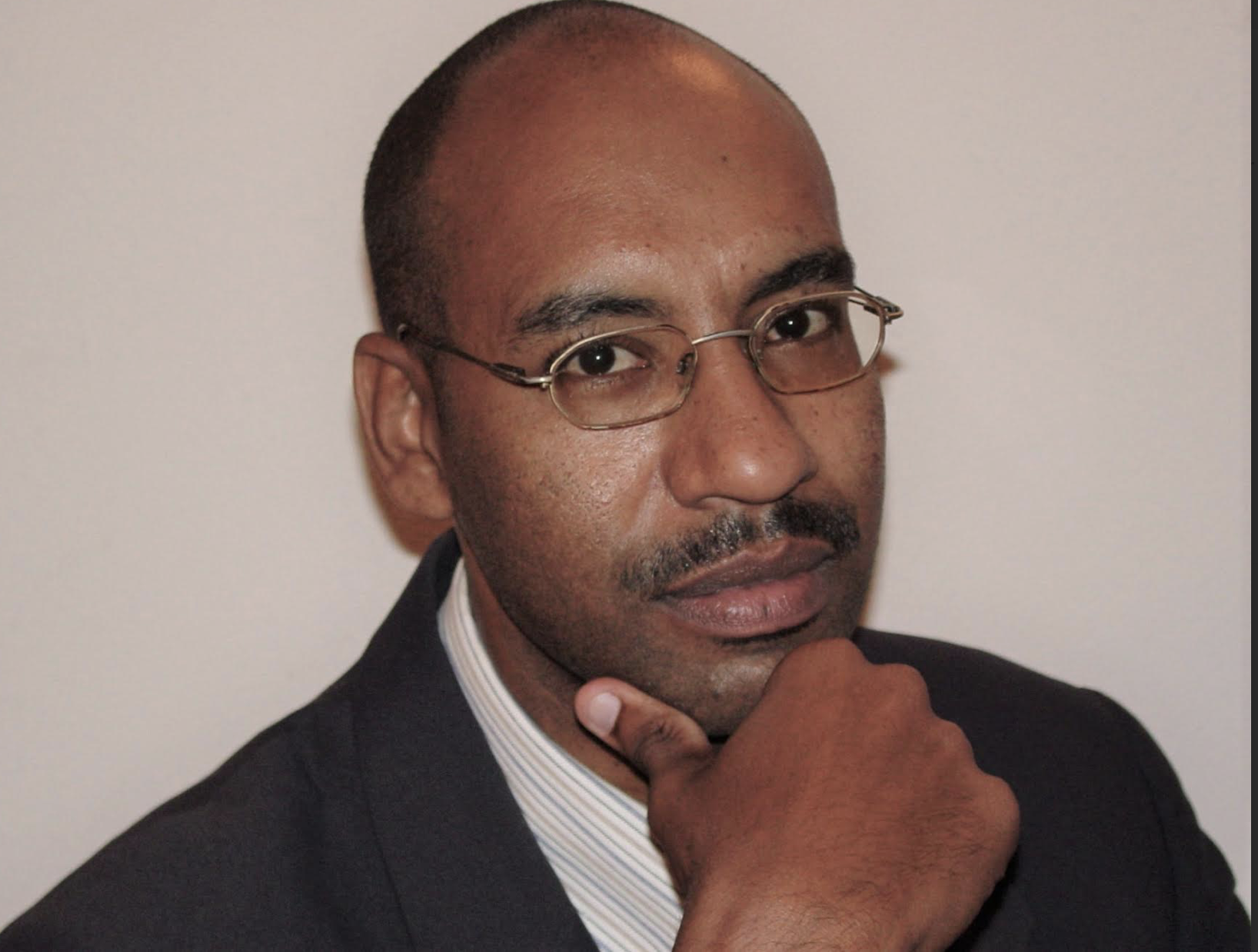
Submitted by R. T. Luke V. Browne
 Previously, the LIME tree was known by a different name. Today, we recognise what was growing in our midst. It has been extracting the riches of the soil—through our human and financial resources, for example—and the harvested fruit is hidden from ordinary view, and use. Of course, the fruits have served two purposes – sweetened drink for the privileged and plant reproduction.
Here arises a problem. They who eat of the fruit have clearly consumed in excess, and are now consumed by excess. It even seems that they have ingested the seeds in large quantities, which usually has fatal consequences for the individual and company. Now poisoned, there can be no clear assessment of the business circumstances; inaccurate conclusions—that directly affect the lives of thousands across the region—have followed. As fruits spoil, the world lacks. All for greed and plunder.
Indeed, the tree has impoverished the soil, without replenishing it. Here is another twist to a sour Caribbean tale.
Substitute ‘LIME’ for ‘Sugar’
Eric Williams may have easily written on the future of the Caribbean, by making only minor changes to his work on history.
Through Williams, we learn that:
The history of the Caribbean is dominated by the history of sugar, which is inseparable from the history of slavery; which was inseparable, until recently, from the systematic degradation of workers in the region.
If sugar(cane) is no longer associated with the degradation of workers, through LIME slavery and such degradation seem to be alive – in a blink workers lose status, reputation and self-esteem. LIME—either as previously or currently constituted—has been with us for almost as long as sugar. The Caribbean had the most profitable of Cable and Wireless operations, and it led to a clash of colonial masters. The wounded ruler now transforms itself to, in their words, “regain what is rightfully ours.” Nothing has changed except ‘LIME’ for ‘sugar’, ‘sour’ for ‘sweet’.
The word is that regional governments support the new twist. We would expect this behaviour from a very close relative. LIME and our governments have followed a very similar evolutionary path, albeit in different realms. Observe the move from colonial rule to apparent self-determination. In neither case does the shift bring the independence imagined or expected. Or, at least, the separation comes because the juice is running out. Wasn’t political independence a subtle imposition when the colonies were becoming less profitable? Doesn’t the old order still reign?
There may be another relative. How is it that Cable and Wireless would adopt the same name carried by LIAT’s magazine? Have they resorted to plagiarism? Is this to say that it has been learning lessons from LIAT’s pages? Maybe so: both roam the region, and both have been criticized for exploitation and poor service.
Trampling on the Soil
Without visible manifestation, a fall in harvest is reported. Once more, the company tramples on the soil from which it has drawn nourishment, only to mild protest. Thankfully, everyone is not silent. Sir Roy Trotman of Barbados, according to media reports there, said that LIME was: “insisting that it should dump staff without properly expressed justification and without adequate consultation.” Sir Roy also reveals that they trample on a soil that recently allowed them to draw US$ 91 million profit. The argument of economic difficulty falls out. They have not followed the protocols; they have not looked for alternative arrangements that would save jobs. How “brutal and brutish.”
Only in the imagination is something wrong with the soil; the technology doesn’t demand a move towards a soilless medium. No need to shed 1,200 of the 3,700 employed in Caribbean operations. They have no right to move away from our soil culture and still enjoy our water, sunshine and air.
Consider this from the standpoint of the worker. You are going to work, daily, not sure of your fate – afraid, intimidated, helpless. You are tortured, human rights are violated. The inmate on death row for too long, who we may imagine as having an axe over his head, is freed of execution on human rights grounds. What of the law abiding and faithful worker? Do we allow him to be executed? Will another worker cry?
Isn’t the tree supposed to keep the soil together? Isn’t it supposed to prevent erosion? Without roots, the sand may become loose and may be easily washed away. We cannot afford this. They haven’t kept us connected.
The Plant is Diseased
Often, corruption and depletion of the soil comes from the plant. LIME’s approach is especially perverse in St. Vincent and the Grenadines (SVG), where it attempts to impose fundamental changes to the local culture. They create unemployment so that their “lyming” and “boozing” ideas may flourish – must Vincentians embrace time wasting and drunkenness as LIME encourages? Everything under the new direction seems to be a carnival or a lottery. Also, what subliminal messages do you send when you say that “talk is cheap”?
While “lyming” you could win a million. But, who could be a “merry millionaire” when the neighbours, friends and family, are ill, hungry and jobless? We do not know if they would survive. What about a million for saving jobs, for rewarding hard work? What about a million for medical equipment? How many have you exploited to give a million? Of course, the million serves the capitalist interest. Just as Stanford’s millions were self-serving.
The truth is, less is wrong with the soil than with the plant. It is diseased. Among its problems is a persisting inefficiency in this new age of competition. A plant, by its deeper roots, may better absorb nutrients, though it is less efficient at fruit development. Often, therefore, survival through capitalist “competition” cannot be defended.
The Oasis in an Arid Land
Since competition, it appears that the sun shines on LIME too brightly. It adjusts to the “desert” conditions. Where there were leaves, there are now thorns. The change is necessary to preserve water and to protect from “stray” animals, like the “stray” animal of West Indies Cricket. An animal that defined us, and now defends us. As the thorns develop, they say: we have done enough for you. Hamilton Lashley, an independent member of the Barbados Parliament, captures the sentiment:
These conglomerates, which setup here after getting so many concessions, make huge profits and then behave as if they have done the region a favour… They need to give back more… the sponsorship they give sometimes is merely a tax write-off down the road.
Lashley is right, since animals may aid your seed dispersal. If the tree with thorns is more productive, it is less desirable.
The top LIME planter in SVG also presides over the development of all fruit trees there. He has an objective. From this seat, he may cover up the mess he has been making. LIME hopes that transparent attempts to manipulate—even control—the media also work. Give a phone to everyone, and no one would say a word. So let’s clip the roots and cut the stems of all other plants. The idea is to reduce competition, to reduce the diversity. They seem to declare: We will be the oasis in an otherwise arid land.



The blogmaster invites you to join the discussion.