



Submitted by TC Roach
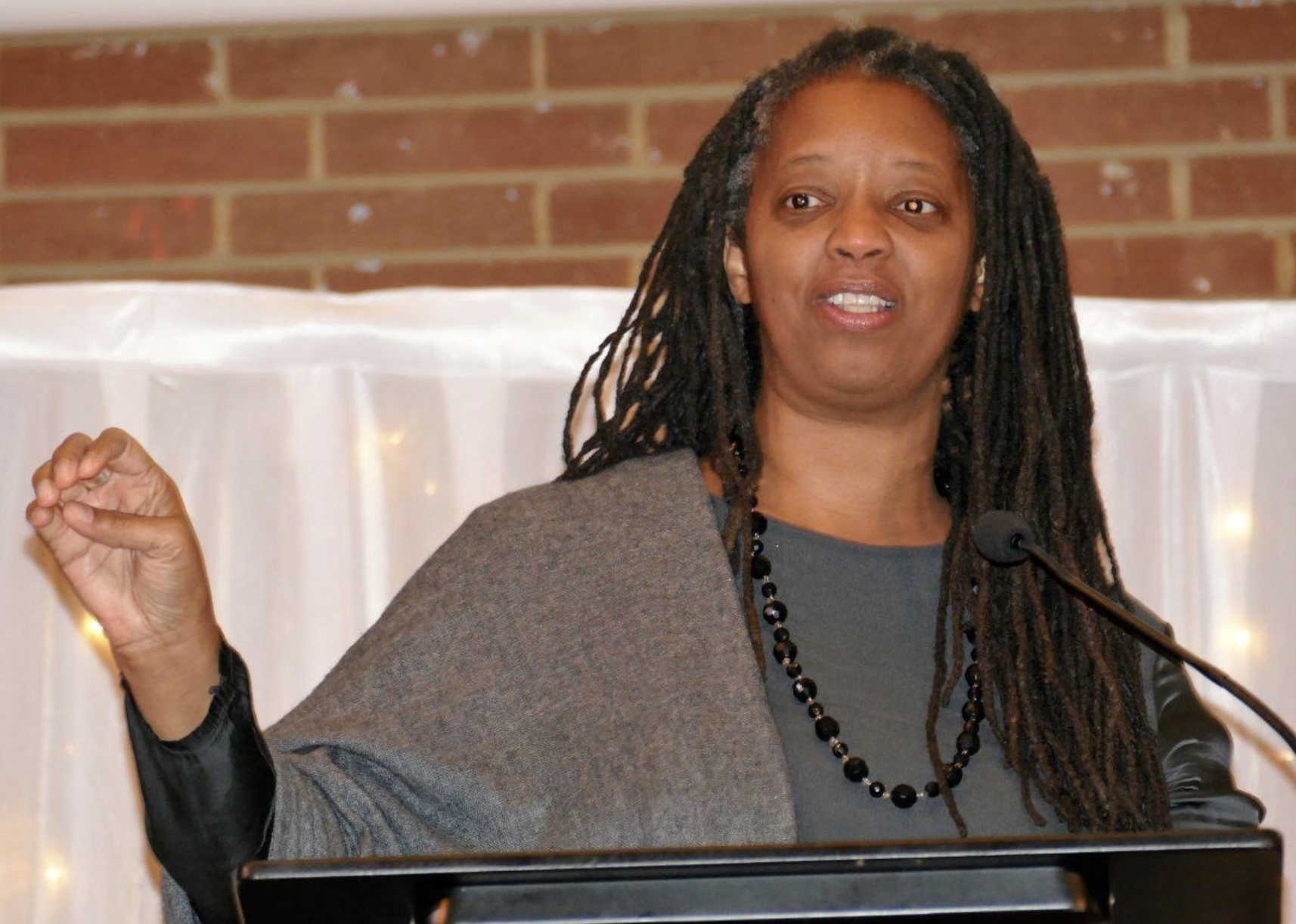
Sonita Alleyne, OBE, the Barbados-born 41st Master of Jesus College, Cambridge, and the first woman to lead Jesus College since its foundation in 1496, has been drawn into an international storm over Professor Jason Arday’s resignation. Since the controversy began, she has faced online abuse, including posts sharing her contact details, amid disputed claims that she was involved in the selection process that brought Arday to Cambridge.
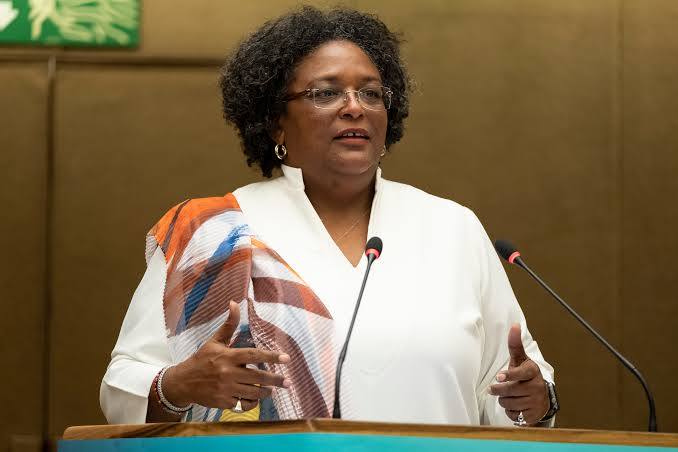
That Barbadian connection widened further with Lord Simon Woolley, principal of Homerton College, Cambridge, whose mother is from Barbados. Woolley also became associated with the controversy after signing an open letter defending Arday against media allegations of plagiarism and fabricated CV claims. As scrutiny intensified, he reportedly removed his official institutional title from the public letter while leaving his name on it; Alleyne withdrew her name altogether.
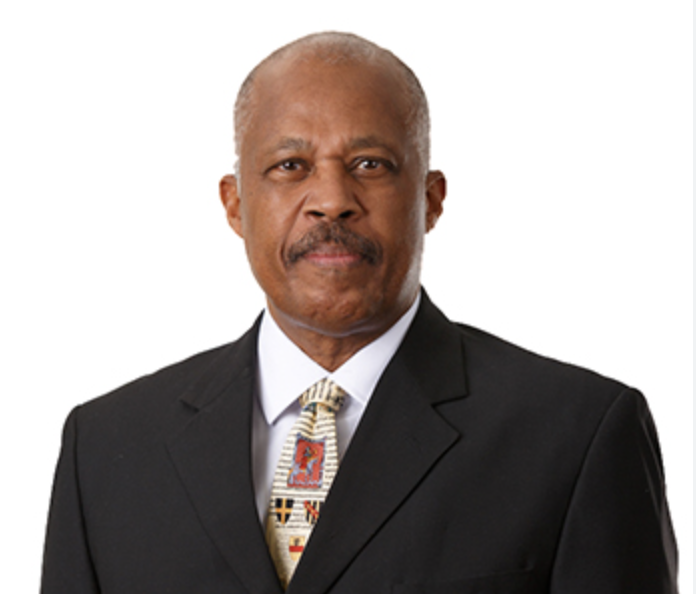
Professor Jason Arday resigned from Cambridge and Jesus College after the university announced a new investigation following “new information” about his academic qualifications and honorary appointments, alongside ongoing complaints about alleged academic misconduct
For a university built on certainty, prestige and institutional confidence, Professor Jason Arday’s resignation has sparked an unusually messy public reckoning. What began as a dispute over one academic’s record has become a test of Cambridge’s judgement, appointment processes, and its ability to discuss race without being consumed by culture-war conflict.
At first, many of Arday’s defenders saw the attacks on him as racially motivated: a prominent Black academic being targeted in a university still wrestling with its own history and hierarchies. But as further details emerged, the story became harder to contain within a single frame. Allegations of plagiarism, questions about parts of his biography and concerns over Cambridge’s vetting process have converged into a broader dispute over both race and standards.
The controversy has occurred against a fraught political backdrop at Cambridge. Byline Times linked the row to a wider campus climate, arguing that money and ideology have emboldened a hard-edged conservatism associated with James Orr, the Reform UK figure called Nigel Farage’s “kingmaker.” Whether or not that analysis explains this case, it helps show why the argument around Arday has moved far beyond a usual academic dispute.
Cambridge has now promised to review how senior academic appointments are made after Arday resigned while the university was investigating claims about his academic-related work, qualifications, and honorary appointments. Arday became a national figure in 2023 when he was appointed Cambridge’s youngest Black professor. This week, he stepped down from his role as professor of sociology of education and from his fellowship at Jesus College after the university opened a fresh investigation based on what it called “new information.”
The university says the inquiry will continue despite his departure, with its findings feeding into a wider review of how senior academics are appointed. That decision goes to the heart of how a university of international stature evaluates evidence, risk, and reputation.
In a letter published online, Arday said resignation was “the only way” to bring a difficult period to an end, but insisted it should not be read as an admission. He has acknowledged mistakes in his research work while denying being a “liar,” “fantasist” or “academic fraud.” He has also said the campaign against him was racially motivated.
Cambridge’s position has shifted. The university had previously suggested earlier allegations were part of a campaign to undermine him. Its decision to open a new inquiry raises two questions: whether there were failures in the first appointment process, and why the university’s public stance changed so markedly.
The political stakes are considerable. Right-wing newspapers and commentators have seized on the controversy, presenting Arday as evidence against diversity, equality, and inclusion policies. That framing has alarmed academics who fear the case will be used not simply to examine one appointment, but to discredit the wider effort to widen representation in higher education.
Press reports have examined claims attached to Arday’s public profile, including assertions that he ran 966 kilometres in six days and helped raise £5.5 million for charity. The Times has also published several investigations into his research work and personal history. Arday has responded that errors should not be treated as deliberate deception and has rejected claims that he fabricated his career.
The plagiarism allegations were first made publicly by Nathan Cofnas, a US academic who describes himself as a “race realist” and whose research affiliation with a Cambridge college was terminated in 2024 amid racism accusations. For Arday’s supporters, that origin story cannot be separated from the way the allegations have circulated.
That is why the argument has become so combustible. Cambridge may have real questions to answer about standards and institutional due diligence, but critics of the coverage argue that the debate has repeatedly slipped into racialised attack, turning one contested career into a wider verdict on equality work.
Richard Drayton, Professor of Imperial and Global History at King’s College London, said, “The JA affair is very sad from every angle of view. But what is really sad is the many people who will pay a price for his behaviour, and for the misbehaviour of those academics who patronised and promoted him at Liverpool, Glasgow and Cambridge without doing due diligence. This paying of a reputational price begins with every man or woman with a darker skin, in particular those of African and Caribbean descent, who has risen or will rise to a senior academic office as a result of their genius and work. “
Alan Lester, Professor of historical geography at the University of Sussex, has warned that the case could become a weapon for opponents of equality and diversity work. Kehinde Andrews, formerly Professor of Black studies at Birmingham City University, told Sky News that the idea Black academics are being handed favours in higher education is “deeply dangerous and deeply racist.”
Those warnings should not be used to avoid hard institutional questions. If the allegations are confirmed, Cambridge must explain how its systems missed them. If they are not, it must reckon with the harm caused by a public storm that placed one of its most prominent Black academics under sustained scrutiny. The uncomfortable possibility is that both things can be true: a university can fail in its checks, and a scholar can still be caught in a racialised political spectacle.
The case has also drawn in the Metropolitan Police. Commissioner Mark Rowley told LBC the force had “dropped the ball” after criticism of its handling of a harassment complaint against a Times Higher Education journalist who had contacted Arday with questions. It was another indication that the story has spilt beyond academia into policing, press freedom and public accountability.
Cambridge’s review may establish what happened in Arday’s appointment and whether concerns against him were properly assessed. But the larger damage is already visible. A university that prides itself on measured judgement has been pulled into a dispute where academic rigour, racial justice, and political opportunism are entangled. How Cambridge separates these strands will determine not only how this episode is remembered but how seriously it is taken when it next claims to stand for both merit and inclusion.
JASON ARDAY FOUND DEAD AT HOME
Jason Arday, the former University of Cambridge professor who resigned amid allegations of plagiarism and questions over parts of his biography, has been found dead at the age of forty-one.
Arday was found unresponsive at an address in Battersea, south London, on Friday afternoon and was pronounced dead at the scene. The Metropolitan Police said his death is being treated as unexpected but is not believed to be suspicious. A file will be prepared for the coroner.
His death came after weeks of intense public scrutiny. Arday had resigned earlier this month as professor of sociology of education at Cambridge after allegations that parts of his academic-related work had been plagiarised. He joined the university in 2023 and was widely reported to be its youngest Black professor.
He had also faced claims that elements of his personal story and achievements, including aspects of his charity work and sporting record, had been exaggerated or misrepresented.
In a statement issued through his publisher, Simon & Schuster UK, Arday’s family said he had been subjected to “a campaign of sustained abuse” since accepting the Cambridge post. They described him as “a gentle man” and said the “campaign of misinformation” had become too much for him.
“We are in shock to have lost this amazing father, partner, brother, uncle and son,” the family said, asking the press to leave them alone and to stop what they described as harassment of Arday and his relatives.
The Metropolitan Police said the London Ambulance Service called officers at 3.12 pm following a report that a man had been found unresponsive inside a property in SW8. His next of kin have been informed, and officers are supporting them.
A spokesperson for the London Ambulance Service said it had been called shortly after 3 pm to reports of an incident and that a person was pronounced dead at the scene.
In his first interview after the plagiarism allegations emerged, Arday told The Times that the portrayal of him as “a liar and fantasist” was “totally unacceptable.” In an open resignation letter, he said the years since his appointment had been characterised by “unrelenting” public scrutiny alongside personal attack.
He wrote that criticism was part of academic life, but said the accusations, speculation and public commentary had gone far beyond scholarly disagreement and had taken “a severe toll” on him and those close to him.
Arday had said he was non-verbal until the age of eleven and unable to read or write until the age of eighteen. He later completed a PhD at Liverpool John Moores University and held academic posts at Durham University and the University of Glasgow before moving to Cambridge.




The blogmaster invites you to join the discussion.