

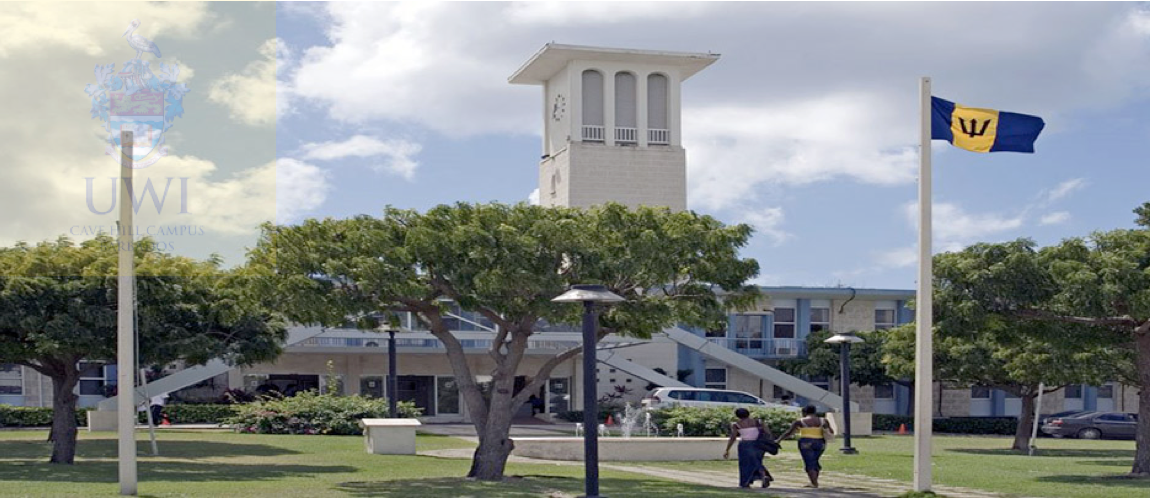


Considering how Barbados has been ‘progressing’ on the social and economic landscape in the last 30 years, one is left to repeat the question – how did we get here? Especially since, albeit briefly, Barbados was in lockstep with Singapore in the 60s.
Although we are all in it together as a civil society; labour, government, non governmental organisations, the challenge for leadership to coax different groups to shared positions has been elusive. At the root of the challenge is buying into the theory of cultural relativism. What is cultural relativism?
Cultural relativism refers to not judging a culture to our own standards of what is right or wrong, strange or normal. Instead, we should try to understand cultural practices of other groups in its own cultural context – Wikipedia
We have been happy in recent years to be influenced and brainwashed by a way of life from other countries at the sacrifice of our own. There is nothing wrong with embracing an eclectic approach to living life but at all times foreign ideas should be filtered through a home-grown lens. The Barbados leadership (intelligentsia) has a responsibility to safeguard the Barbados identity. Children of the 60s and 70s shouted The National Pledge with pride. Community spirit was sky high with the nuclear family nurturing and protecting traditional values. There was a willingness to engage in public service and voluntaristic tasks without realising financial reward.. There was an unequivocal understanding about what was right or wrong along with many other elements that defined our national identity. Sadly we have surrendered to the torrent of cultural penetration.
We need to have a national conversation what is required to ‘rightsize’ our tiny society. We often hear our leaders pontificating about making our country more resilient framed to mean, the economy. What about a fit for purpose education system that trains the minds of citizens to nurture independent thinking? More focus (not token programs) on community activities and construct a robust governance framework to nurture public trust to address increasing apathy and cynicism in the country.
In the old world philosophers played an important role as “intellectual pioneers who used reason and critical thinking to explore fundamental questions about the universe, human nature, ethics, politics, and knowledge, often challenging existing myths and beliefs by attempting to understand the world through rational inquiry, laying the foundation for Western philosophy and thought as we know it today.” It begs the question who are playing the role as philosophers and intellectuals in our present day society? It seems the role is vacant and opportunistic politicians have been recruited to do a job.
Whither our intellectuals? Whither our actors in academia?
Based on research the role of academia is critical to national development for any country and all the elements that go with it.
- Educating the Population
- Research for Local Development
- Preserving and Promoting culture
- Informing Policy and Governance
- Enhancing Global Competitiveness
- Encouraging Critical Thinking and Social Progress
- Reducing Dependence on Foreign Expertise
The question to be asked, are we getting an acceptable Return on Education (ROE) given the current state of our social and economic conditions.



The blogmaster invites you to join the discussion.