



It started with a small group pouring libations to the ancestors. They did that for years in their small communities. Then they gained influence and were invited to official Government functions where they demonstrated the practice.
We normally put our dead in coffins and remember them with headstones. We understood that the dead can cannot hear us. They have their own issues as they await to be judged for how they spent or squandered their lives. When we die, we will also be unable to help the living – so we help them while we yet live.
LIVE AND LET POUR.
Those who wish to pour libations should be allowed to do so – without discrimination. Those who wish to question the usefulness of this practice to both the living and the dead should be similarly allowed to do so in Barbados. However, we crossed a line when we took public money and built monuments to our ancestors – with no discussion. Once crossed, we seemed to be on a slippery slope that we seem incapable of getting off – to satisfy those with influence.
In Bridgetown, we demolished a seven-storey office building on perhaps the most expensive foundation system in Barbados to build a park honouring our ancestors – while we were paying about $50M annually to rent office space. At Newton, we erected an impressive dome and an equally impressive cultural centre where we got to hear poems and watch plays honouring our ancestors.
We de facto legalised marijuana because those with influence claimed it liberated their creativity – not considering the now-realised significant loss of productivity. We reduce the grooming standards for our students using similar reasoning – and discounting the harm to their future employment.
If we were awash with money, those ventures would not be so concerning. But we are heavily in an unsustainable debt. So why do this now? It seems that we have no choice. We are all-in having traded away the certainty of the construction industry for the illusion of the orange or creative economy.
DISCOUNTING CONSTRUCTION.
The construction industry is approximately 20% of Barbados’ economy. It is a similar amount in other Caribbean countries and provides employment for many persons – both skilled and unskilled. It is an industry where unskilled persons became skilled, opened businesses of their own and employed graduates of our secondary schools and universities.
Developed countries wanted this lucrative market, but previous Caribbean governments saw it as critical to their nation’s development and would not trade it away. With more information in the US becoming declassified, we get a glimpse into how developed countries secure their self-interests.
The first step in any successful trade negotiation is to identify the weakness of the trading partner. Caribbean leaders have one common vulnerability – they blindly trust their economists. How could this common weakness be used to convince Caribbean Governments that their construction industries: (i) were insignificant and (ii) had far less potential than some of the emerging industries?
SUNRISE SUNSET.
In 1982, MIT economist Lester Thurow wrote an article: “How to Rescue a Drowning Economy”, where he promoted the idea of sunrise and sunset industries. Caribbean economists were encouraged to write academic papers on these innovative ideas and those who did were lavished with praise when they presented their ‘research’ at conferences.
One goal of economists is to get their published ideas accepted as Government policy. Given their trusted positions, they easily convinced Caribbean governments that construction was an old tired sunset industry and their cultural industry was a bright orange emerging economy where their citizens could compete internationally with much greater success.
There was a fatal flaw in their reasoning. Nations tend to support, fund and promote their own culture – which they understand. Cultural practitioners based in the Caribbean would need to be exceptional to break into another culture’s market, and, like our Rihanna, would need to live among them and pay taxes in their countries.
DIFFERENT STRATEGIC AIMS.
I remember when we were negotiating the Economic Partnership Agreement (EPA) with Europe that a Minister of Finance told me that construction was a sunset industry – and would entertain no discussion on the matter. That was the first time I heard that phrase.
I repeatedly asked our trade negotiators for a copy of the draft trade agreement that they were negotiating on our behalf. They repeatedly refused on the ground that it was a secret document. I decided to visit the website of the European trade negotiators and found this ‘secret’ document freely available.
Our trade strategy seemed to be founded on arrogance and secrecy with the aim of gaining an achievement of negotiating a trade agreement. The Europeans’ trade strategy was founded on getting the widest possible feedback from their stakeholders with the aim of getting a beneficial trade agreement for Europeans. After downloading the draft agreement, I was horrified at what I read. It was perhaps the worst trade agreement since our foreparents were traded for cowrie shells in Africa.
WASTED HEAD-START.
Despite my active lobbying against it, we signed the EPA on 15 October 2008. It came into force on 1 January 2009. The Agreement was so unfair that the Europeans gave us a 25-year head-start which I predicted would be meaningless. If the agreement stakes us to the starting line, after 25 years that is exactly where we will be found. The Government has finally admitted that we have essentially squandered, almost entirely, the head-start given.
The EPA exchanges the certain national benefits of the construction industry for the illusory orange economy. We are now all-in on this madness and time is fast running out. We are desperately relying on our ancestors, but they cannot help us – they cannot even help themselves.
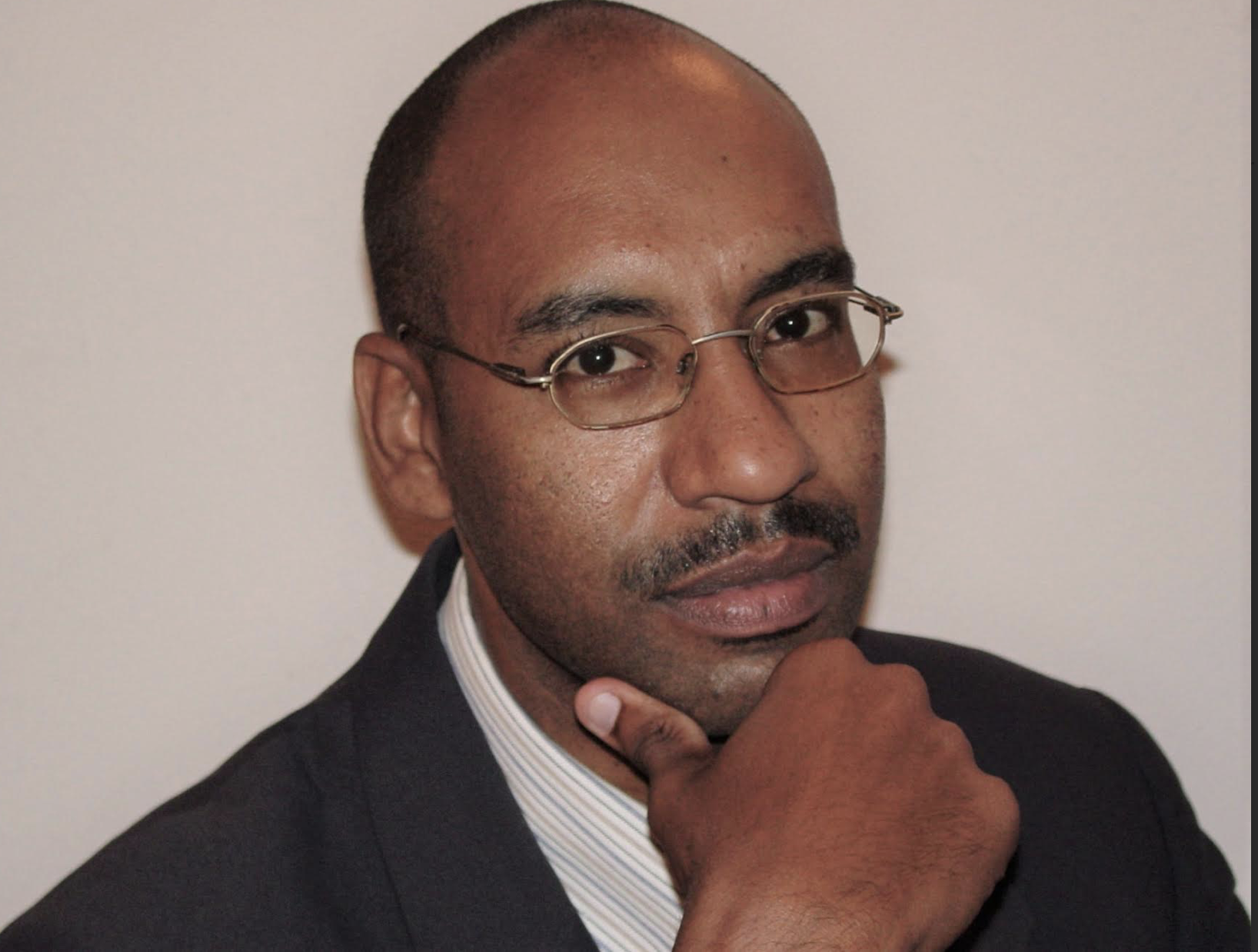
Grenville Phillips II is a Doctor of Engineering and Chartered Structural Engineer. He can be reached at NextParty246@gmail.com




The blogmaster invites you to join the discussion.