



He romanticizes the idea of a Bajan owning a piece of the rock BUT is it the truism he makes it out to be?

THERE IS NO GREATER sense of achievement than moving into your own house, whether or not you have acquired it by a mortgage, you have paid cash for it, or it was bequeathed to you. You could even have been involved with the building of the house using sweat and fears.
Nation newspaper – Wild Coot
Yesterday’s’s Wild Coot article (Harry Russell) published in the Nation newspaper provides food for thought for different reasons than he offered- the full article is included under the blogmaster’s comment. A country like Barbados with a large social services bill must collect taxes from many sources. The government in seat constantly promotes the mantra that the financial burden should be spread to many as a way to ease the burden especially on citizens in the lower income bracket. It is a philosophical if not pragmatic approach that governments take to extract adequate tax revenue from its citizens. It doesn’t matter which government is in office, it will not change the adage that two things are certain, dying and paying taxes.
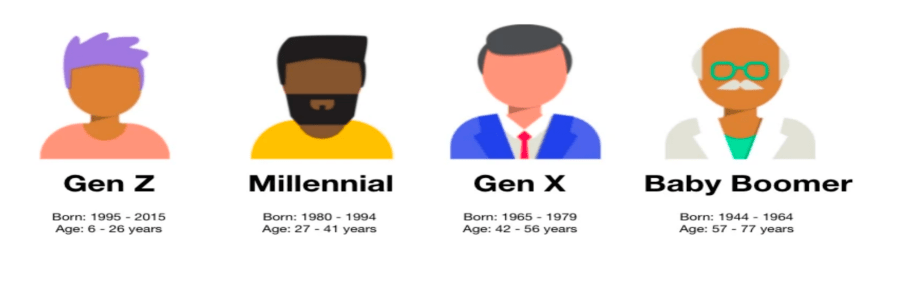
Wild Coot’s article is interesting to the blogmaster for another reason. He romanticizes the idea of a Bajan owning a piece of the rock BUT is it the truism he makes it out to be? Anecdotally millennials and Gen Z’s seem comfortable with renting and leasing to satisfy lodging arrangements. No doubt there is a percentage of that demographic forced out of the market because of escalating cost to ‘own a piece of the rock’. There is another percentage that bears negligible loyalty to Rock and will seek fame and fortune in lands across the seas because labour- in increasing numbers- flocking to where opportunities are greatest.
The drive to own a piece of the rock
THERE IS NO GREATER sense of achievement than moving into your own house, whether or not you have acquired it by a mortgage, you have paid cash for it, or it was bequeathed to you. You could even have been involved with the building of the house using sweat and fears.
It could be a little two-bedroom structure propped up on stones, a town house shared with malicious neighbours, it could be a mansion in Sheraton or it could be a shack with a piece of land attached.
Most people would like to own their own piece of the rock. First of all I would like to define the term “own”. If you own a home, it is yours completely not yours and the Government of the day. (If you are married yours and your wife or husband). You may wish to get water electricity, etc. connected to the house and you would have to pay for those services. If those services were disconnected, you would still own the house completely. Storms may come and time may work its magic and you may be forced to repair your house or even enlarge it, but you will still own the house. You may be sick and helpless, but you would still own the house. Even if you do not live in the house, you will still own it.
I say own, but is that true? How come if you hold the papers certifying that the land or land and house have been transferred to you, you cannot just leave the island and the piece of the rock remains undisturbed? How come it has to owe money to the Government either by Government’s forbearance or by obligation? You see there is something called “land tax”. You may also call it ownership tax because it seems to be more applicable to the person than anything else. It is usually applied when Government is short of money or when you are short of spendable funds.
There seems to be a curious link between voting patterns and land property tax. While it seems good policy to encourage those who are poor and struggle to own a house or a small piece of land, pay a vastly reduced payment or no payment at all, should you pay a price that may be called “rich people tax”? Coincidentally does forbearance manifest its absence of tax where there is a predominance of votes?
Owning a home
Tremendous sacrifices in your younger years; done without many things that would have given you pleasure but decided that owning a home was a priority. You may have even decided that it was preferable to own the home than getting married, or it might have been an aspiration of being married. You may have decided to be cautious and ran the gauntlet of seeking insurance for the house.
Then comes the Government. If you are not one whose property has been assessed at a low value, “cat n’am yuh suppa”.
“Sir or Madam we assess this property to be worth $20 000. You have to pay us each year a sum of $500 within two months with non-payment incurring a fine.”
“For what?” you say in astonishment. “The paper that the vendor gave me when I bought this property did not say anything about a tax. That was not a condition of ownership.”
“But we the government provide services to your property….” And the argument goes on!
“But I pay taxes on those services. Such as they are.”
It is just a naked grab for taxes and denies the claim of ownership.
In acquiring this property you may have had to make tremendous sacrifices, but that does not matter. If you do not pay, what you thought was yours could be sold under your nose.
The purpose of this article is to disabuse people of the feeling of security in “owning a piece of the rock”’. There is a sense of pride in the term ownership, but there is then a word of caution. You only own provisionally.
Some countries do not impose land tax, although an alternate form of taxation may be imposed that fills the breach. In the Caribbean there is mixed policy in this regard; probably it depends on the financial need of the country.
But I dispute the term “owning a piece of the rock”. Those who do not pay land tax do so at the behest of the Government.
Happy New Year!
Harry Russell is a banker. Email quijote70@gmail.com
nation newspaper


The blogmaster invites you to join the discussion.