



Men become fathers by choice, accident – or trickery. Regardless of how they got that assignment, they are responsible for completing it. Father’s Day is a time for fathers to be encouraged to ‘stay the course’ until the end. But what is this course and when is the end? The father’s role is two-fold.
Within the home, a father is to: (i) provide for his family so that they are fed, clothed, sheltered and protected without expecting, requesting or demanding anything in return, not even obedience, and (ii) forgive his family without any conditions – as if it never happened, so that they may not be restrained by guilt through being constantly reminded of the offense.
He is also to: (iii) correct his children so that they know right from wrong, (iv) accept his children regardless of their physical or emotional conditions so that they unquestionably know that they belong, (v) train his children in a skill, whether they want to be trained or not, so that they may become good at at-least one thing and feel useful, and (vi) teach his family the ways of God.
OUTSIDE THE HOME
A new father may not have been exposed to this type of modelling as a child. However, that should not be used as an excuse for him not to do it for his new family. Each father is responsible for doing responsible things – including by learning. However, a father is not only a father inside his home.
Outside of his home, fathers are to demonstrate similar traits to his: employees, colleagues, teammates, friends, students and/or anyone with whom he has influence – until he dies. This includes discreetly: (i) giving assistance to those in need and encouraging them to earn, and (ii) forgiving those who have embraced irresponsible behaviours and encouraging them to choose a better life-path.
Since we are not perfect, it also includes (iii) discreetly correcting those who have made mistakes and encouraging them to similarly assist others, (iv) openly accepting all people exactly as they are, with all their challenges, faults and failures, and gently facilitating their improvement, (v) training others in skills we have acquired so that they may become competent and productive, and (vi) demonstrating the ways of God.
A FATHERS’ LIMITS
Essentially, fathers are to model the fatherly ways of their heavenly Father, to make it easy for the next generation to trust Him. God expects the union of a man and woman to produce Godly or God-like children (Malachi 2:15). Fathers can facilitate this by demonstrating God’s love through His: provision, forgiveness, correction, acceptance, training and teaching.
Forgiving, correcting, accepting, training and teaching are to be offered to all people without conditions or limits. However, providing material assistance is temporary and has limits, otherwise it may lead to dependence – which harms both parties. People should earn from their being productive and competent in their skills, and be dependent on God for opportunities.
Fortunately, a father can decide to recommit to become a better father at any time – while he lives. People should expect some of the best advice from responsible fathers. I urge all fathers to benefit others by allowing themselves to be fathered by God their Creator – the sooner the better.
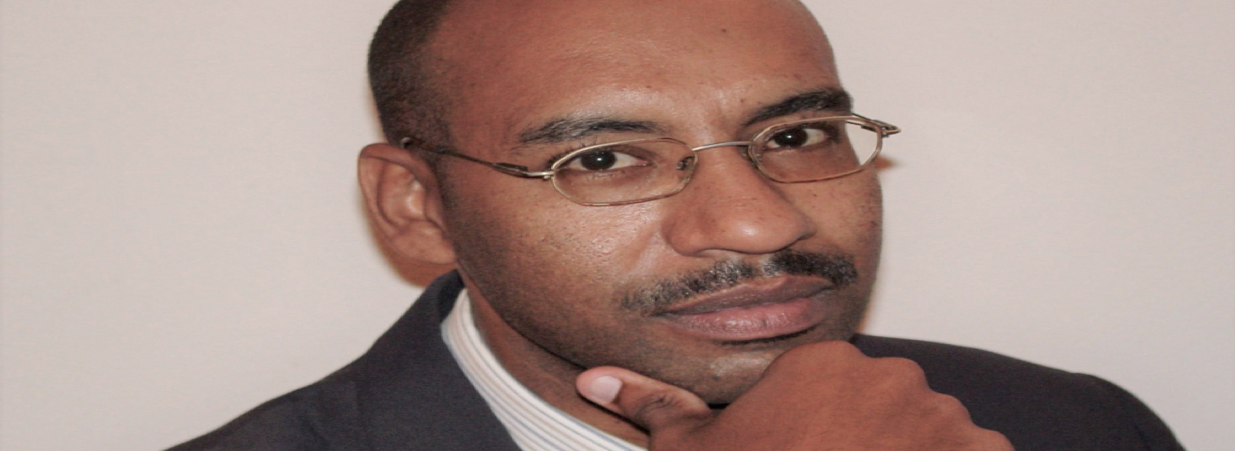
Grenville Phillips II is a Doctor of Engineering and a Chartered Structural Engineer. He can be reached at NextParty246@gmail.com





The blogmaster invites you to join the discussion.