


Submitted by Looking Glass
 Hardly a week goes by without cries about rising prices. One writer having discovered some cheaper prices in Dominica accused local businessmen of greed, price gouging etc. It never dawned on the writer that the overall cost of doing business including labour cost is cheaper than in Barbados. The price of tropical fruits and locally grown products are significantly lower in Dominica, St Lucia and elsewhere than in Barbados where 2 limes or a single plantain cost $1. And the imported milk was said to be expensive and sub-standard. All this in a country with a year-round temperature of 75 plus degrees, where the only snow seen is on the television, and where even putting two tomato or pea plants and a goat in the backyard reflects low status.
Prices of oil, gasoline, food and other commodities have been rising everywhere in the last two years and will continue to rise. One is now hard-pressed to find anything for a single dollar in the North American Dollar Stores. More people are using public transportation and leaving their vehicles at home. The weatherman along with other factors wiped out coffee and cocoa crops in the largest producers Columbia and Ivory Coast. Soon you will have to go back to drinking bush tea. Of course it hasn’t dawned on anyone that coffee and cocoa could be grown there.
Cotton is out of the question. Cotton, indigo etc (not sugar) were the first crops grown there after 1629. They were inferior in quality and more expensive to those grown in Georgia and gave way to sugar. That situation remains unchanged today. There is artificial man-made cotton. We need to grow food which, among other things, will significantly reduce the import and foreign exchange bill. The sugar industry which was started by Colonel Drax at Drax Hall and Locust Hall ‘facilitated’ the arrival of Jews.
And then there is the rising cost of electricity for which we are ready to blame the Canadian company, not those who sold their shares in the electric company. It is not normal for governments to allow the sale of their one vital resource or part thereof to foreigners. Canada recently blocked the sale of the potash business to foreigners. In some countries foreigners are not allowed to own land or real estate. Why the Prime Minister allowed the sale of shares in the electric company is another story.
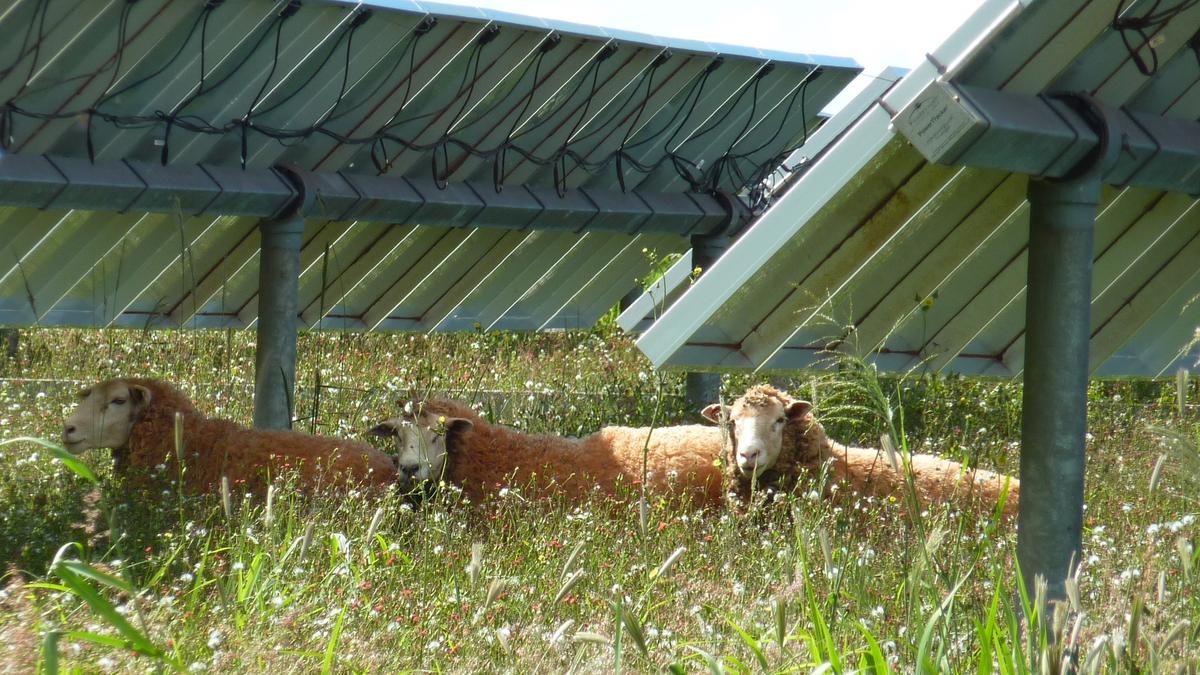
In 1980-81 solar energy was the talk of the town there. Today Canada, a country with oil, coal and 4 or 5 months of real sunshine has begun to utilize solar. In Ontario individuals and small outfits are producing solar energy for local consumption and sale to the Hydro Company. Brazil has just built a solar plant to provide energy for the Olympics at not a great cost. Contrary to popular opinion the cost of a plant for the home consumption is relatively small. Those who can afford it could set up a plant and sell the excess to the electric company.
So now it is easier to drill for oil. A US oil company discovered oil in two parishes on the island in 1954. Asked if there was really oil in commercial quantity the company spokesman replied that: “……the problem is not below the ground but above the ground.” The problem included among other things the loss of needed agricultural land, negative impact for the sugar industry, a large foreign workforce and repatriation of a large part of salaries, relocation and rehousing hundreds of those living the the two parishes. And more importantly the operation would be completely foreign owned. And so Grantley Adams said no to the project in 1955. And Errol Barrow did likewise in 1967.
Things are much worst today. Much of agricultural land has given way to golf courses, hotels and homes for foreigners all with diminishing returns. Imports account for more than 75% of GDP. An increasing number of local homes and chattels are coming on to the market for which the locals, who can hardly buy food, have not the where-with-all to purchase. Few will earn enough to substantially upgrade their lifestyle. Long term successful oil production (and loss of a 3rd parish) given, among other factors, the ever increasing cost, solar, and new sources coming on stream in America is doubtful. That apart excessive cost could inhibit oil production there.
Mr. Prime Minister no one drills for oil in or around heavily populated/residential areas or on scarce agricultural land. That you could so readily entertain the same oil company the late Grantley Adams and Errol Barrow turned down in a single week of negotiation last February raises some questions. How much did it cost the oil company? Was the project first reviewed by Lands and Fisheries? Was it discussed and approved by the Cabinet? And was a personal benefit involved?
The oil vein runs through a third parish into the ocean to a “fault line” that extends to Chile. Activation of the fault line, which often happens, could result in an explosion that could destroy the lives of 15000 people and a large part of the country. Chances are there is little in the agreement to hold the oil company liable and responsible should it happen. Should the company be indeed liable no amount of money can offset and repair the loss.
Mr. Prime Minister I, the incompetent, happen to know that there is a law (Lekhacdram) that enables government to acquire personal property for development deemed to be beneficial to the country. However, my family and I happen to own property in the area long before you were born and have no intention of selling. The land for generations has been the source of food, clothing and shelter and employment for us, the people and a major source of revenue for the government, will continue to do so, and is being held in trust for the offspring. And so there is not desire or intent to dispose of the land not even to Americans. Not even a fool gives away his arse to defecate through his ribs. Mr. Prime Minister the buck stops here. LG would do whatever it takes to hold on to the family heritage. Blame it all on the wisdom of incompetence. Happy Easter all readers.





The blogmaster invites you to join the discussion.