



Governor of the Central Bank of Barbados Dr. Kevin Greenidge issued his usual glowing economic review of the Barbados economy this week for the period January to September 2026. He reported that the economy grew by 1.4% during the period, down from the 2.3% in the same prior year period. Hmmm. Are Barbadians listening carefully?
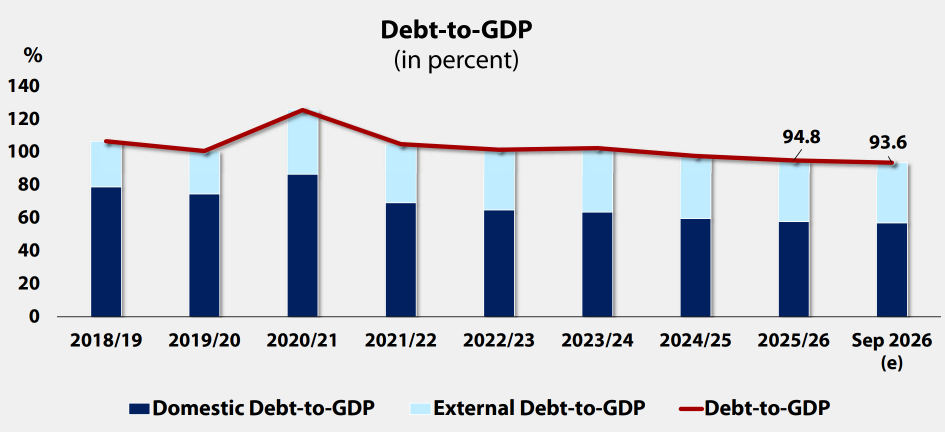
Despite the Governor’s best performance there is a growing perception that the country’s economic success at the macro level is not being fully reflected in the day-to-day experiences of too many households. On one hand, key macro indicators have shown notable improvement. Economic growth has remained positive, tourism has performed strongly, international reserves have reached historically high levels, fiscal balances have improved, and public debt has been declining as a share of GDP – around 94%. The IMF has also noted that Barbados’ economy continues to perform well and that macroeconomic stability has been strengthened through ongoing reforms.
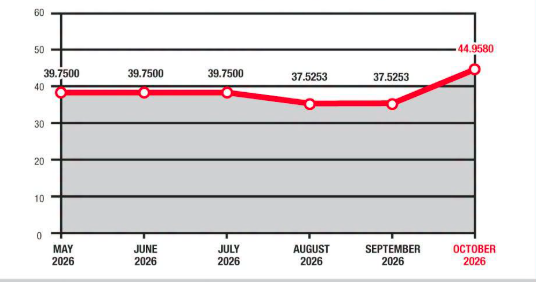
However, Barbadian households will assess the economy through a different lens: the ability to pay bills and maintain a reasonable standard of living. While the so-called macro indicators point to progress, households continue to feel pressure from the cost of electricity, price at the pump, food, and other essential goods and services. The Governor can talk chalk about a 12 month inflation average of 1.5% and 22 consecutive quarters of growth, it does not change the fact that higher electric and fuel costs continue to impact at the household level.
Based on the research, what is playing out in Barbados is what economists describe as a micro-macro paradox. The economy appears healthy according to aggregate indicators, yet many citizens feel financially constrained because their purchasing power has not improved at the same pace as the broader economy. In practical terms, a person may hear that reserves are strong (2.8 billion), debt is falling, and GDP is growing (93.6%), but still struggle to afford groceries, electricity, or a tank of gasoline.
The challenge for Barbados is therefore not only to sustain economic growth and fiscal stability, but also to ensure that the benefits of that progress translate into tangible improvements in the cost of living and the financial well-being of ordinary Barbadian households.
During and post COVID 19 period, there was a lot of talk about learning from the global disruption to supplies especially food. Instead we see that food crop production fell by 22%. The excuse, adverse weather conditions. Are we there yet?
In the same way we have become numb to an increase in violent crime, so too the fact our very open economy continues to be very vulnerable as it has been since Adam was a lad. There has been no significant change to the structure of our economy. It is tourism or bust.


The blogmaster invites you to join the discussion.