



Managing Director,
MacLellan & Associates
It was encouraging to read that the President of the Caribbean Hotel and Tourism Association, Sanovnik Destang, is raising some of the serious financial concerns currently being suffered by hotels in the region. Speaking during a press conference this week at Caribbean Travel Marketplace in Antigua, he said that the time had come for “fair play” across the accommodation sector.
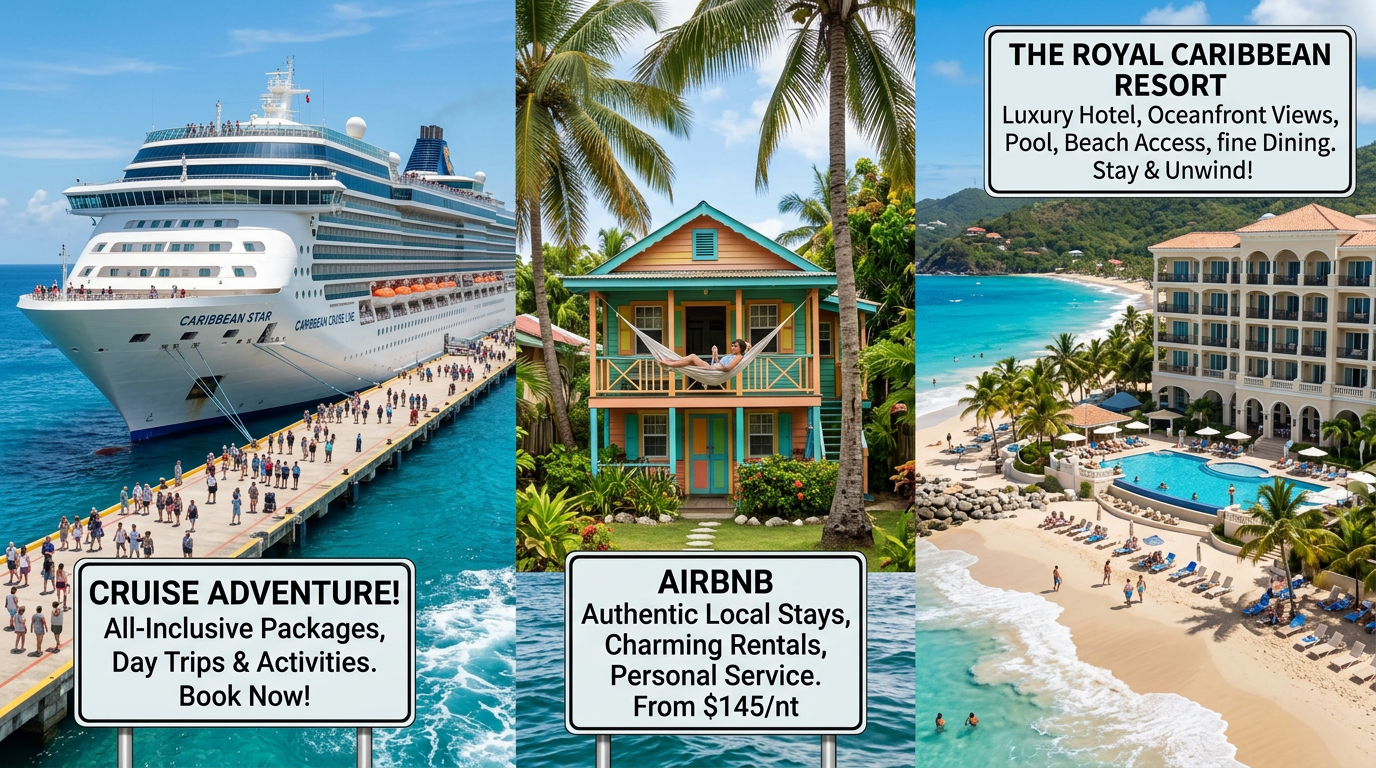
Mr Destang highlighted that Airbnb and similar platforms have become major competitors to hotels in the Caribbean. The crucial issue with Airbnb and other short-term villa and condo rental operators across the Caribbean is that many of them are accused of functioning outside traditional tax and regulatory systems. CHTA’s recommendations include mandatory registration and minimum operating standards for these properties and that they should be subject to the same tax rate as hotels.
These are fair and reasonable goals. Mr Destang said, “Everyone should make a fair contribution.” It is to be hoped that the CHTA can achieve the understanding and support of Caribbean governments to legislate and make these vital recommendations a reality.
Of course, the much larger elephant in the room is the cruise industry. Cruise ships make full use of the attractions and the infrastructure of the Caribbean islands but pay only minimal passenger port taxes. Caribbean hotels depend on the winter season’s higher occupancy and room rates for their year-round viability but that is exactly when the region is impacted by the highest density of cruise ship operations in the world. Today’s giant cruise ships have multiple on-board leisure facilities and are now floating resorts, competing directly with the Caribbean’s hotels.
Should the hotel industry not also be lobbying governments in the region for a more equitable rebalancing of the tax burden between the cruise industry in favor of air travel and hotels. That adjustment in taxation would boost stay-over visitor tourism, which provides a more direct economic benefit to the islands, as confirmed in the 2025 World Bank report.


![prejudge [with extreme prejudice, dogma, propaganda etc] Avatar](https://secure.gravatar.com/avatar/479b211b4842e3afe7b6c2b7583c06558e4f834b0143527cfb26639ce47b581f?s=48&d=blank&r=g)





The blogmaster invites you to join the discussion.