


Countries like Barbados can only hope that sane heads will eventually prevail, restoring some measure of normalcy to an increasingly volatile global geopolitical and economic landscape.
The upcoming World Economic Forum Annual Meeting in Davos, scheduled for 19th to 23rd January 2026, offers a timely opportunity for world political and business leaders to deliver meaningfully on the Davos mandate:
- address pressing global issues
- foster a climate of cooperation
- shape the global agenda
- find solutions to complex global challenges
The blogmaster will judge the success of the meeting by whether leaders can persuade the United States that its recent foreign policy thrust requires urgent reconsideration.
At the forefront of global concern is President Trump’s strident assertion that Greenland should surrender its sovereignty and agree to annexation by the United States. That this debate is unfolding mere weeks after President Nicolás Maduro was removed from office by U.S. action is instructive.
From the blogmaster’s perspective, the Greenland controversy reflects Trump’s command of media tactics. The attempt to dominate international news cycles with left field assertions, conveniently diverts attention from questions surrounding his connection to the Epstein affair as one example.
Consider the implications: Greenland is a sovereign territory of Denmark, a member of the North Atlantic Treaty Organisation (NATO). The United States, also a NATO member, is bound by treaty obligations to support stability in the region. A hostile U.S. posture toward Greenland would place unprecedented pressure on the alliance. Given the interconnected nature of global economic and financial systems, the prospect of conflict between the United States and Europe is nothing short of alarming.
The destabilisation that could follow is difficult to fathom. The world has already witnessed the United States withdraw or reduce support for key international institutions, including the United Nations. With its significant influence over the IMF and World Bank, any further erosion of post World War II frameworks would be disruptive.
It is ironic that if NATO were to fracture over Greenland, the collapse would stem not from external adversaries such as China or Russia, but from within between long standing allies. The mere fact that such scenarios are being seriously discussed is incredulous.
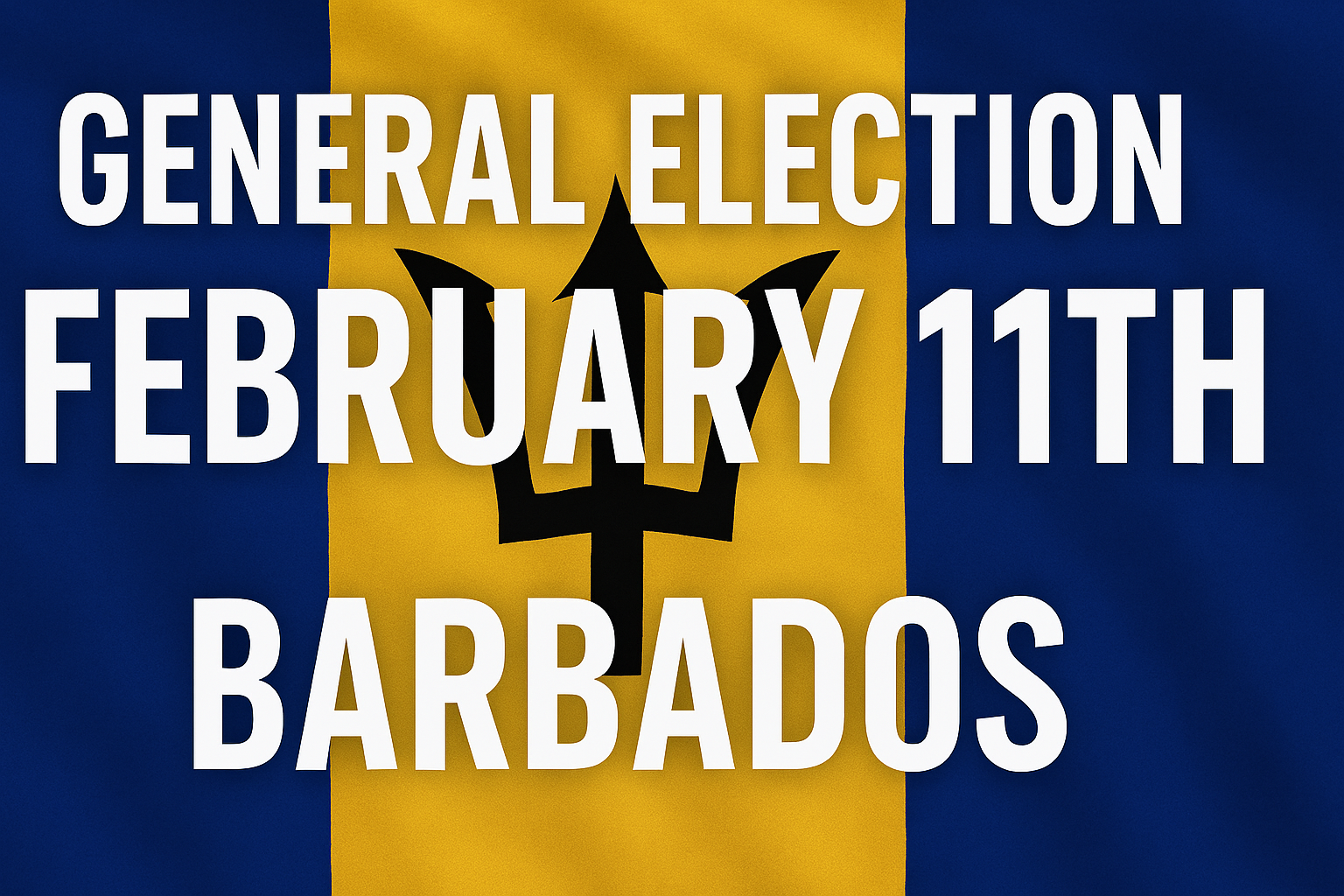
As Barbadians focus on the general election activities coming up on 11th February 2026, these unfolding global developments should be informing political debate and shaping national strategy. Even if Trump leaves office within the next three years, the international landscape has already been altered. The trust that once underpinned alliances has been shaken.
For Barbados and other Small Island Developing States (SIDs), the moment for a pragmatic conversation about regional positioning in an increasingly turbulent world has long passed. The United Kingdom, once a protective umbrella, is now preoccupied with its own challenges. Barbados, however, is fortunate to be led by a prime minister recognised among Time Magazine’s top 100 global leaders – one who commands respect on the world stage. The international arena awaits, Prime Minister Mottley; the moment is yours.


The blogmaster invites you to join and add value to the discussion.