



Submitted bY Tetiana Rak*
In 100 days, global health leaders will gather in Geneva for COP11 — the WHO’s major tobacco control summit. As the Secretariat prepares to double down on bans and restrictions, Barbados could enter the room with something more powerful: progress.
Barbados boasts one of the lowest smoking prevalence rates in the Caribbean — a milestone in regional public health. But averages can be deceiving. Among men, smoking remains at nearly 12%, which is five times more prevalent than among women. And with 6.4 percent of all deaths in Barbados attributable to tobacco, smoking still takes more than 100 Barbadian lives every year. These are preventable losses. And they demand more than the status quo.
Barbados has a choice: maintain current policies or lead the region by embracing what works. The key is not prohibition, but evidence-based innovations.
Sweden Shows The Way Forward
Consider Sweden. It has slashed smoking rates to just 5.3%, the lowest in Europe. And it did so not by banning more, but by offering smokers something better: alternatives.
Sweden’s success rests on a simple “Triple-A Innovation” principle: make safer nicotine products accessible, acceptable, and affordable. The results speak volumes:
- 21% fewer smoking-related deaths than the EU average
- 36% fewer lung cancer deaths
- 31% fewer overall cancer deaths
Swedish research reveals a striking inverse relationship between the rise in oral nicotine product use and the decline in daily smoking — as usage of these alternatives increased from around 11% to 16%, smoking rates fell from approximately 11% to just 5.4%. The takeaway is clear: when people have safer options, they use them and they quit smoking.
That’s the missing piece in Barbados. Today, 0% of adults in Barbados use smokeless tobacco products. That doesn’t mean the demand isn’t there. It means there’s no access, no information, and no encouragement.
While the government rightly targets cigarette use, it fails to offer smokers a realistic path out. Even worse, the industry remains free to advertise and influence youth, creating a loophole that undermines public health efforts. And that’s a dangerous gap. Innovation can fill the void. By legalizing and regulating products like nicotine pouches and vapor technologies, Barbados can offer smokers a tangible and far less harmful substitute, one that reflects the diverse ways people actually quit.
Data, Innovation, and Lives
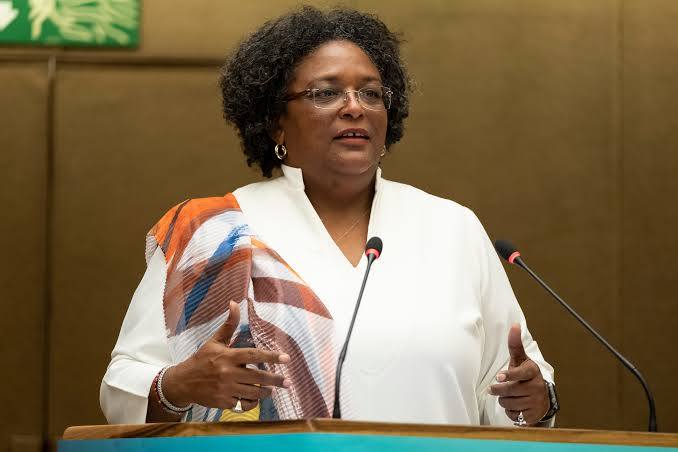
Perhaps Barbados’s Prime Minister Mottley holds the keys to a transformative regional strategy. The choice before her is quite fundamental: whether to persist with conventional “tobacco control” methods that deliver modest gains over decades, or to pioneer an integrated framework that harnesses both regulatory oversight and technological innovation for accelerated impact.
As COP11 approaches, Prime Minister Mottley has an unprecedented opportunity to establish Barbados as the Caribbean’s public health innovator. By championing evidence-based policies that maintain vigilance against smoking’s documented risks while simultaneously creating pathways for breakthrough solutions, she can drive the region toward smoke-free objectives at unprecedented speed. Moreover, this vision could gain momentum through strategic partnerships with progressive neighbors including Saint Kitts and Nevis and Guyana.
The Swedish experience proves that marrying established regulatory frameworks with innovation-friendly policies can deliver health outcomes once thought impossible within a generation. The pathway forward is evident, regional collaboration is achievable, and the potential to prevent thousands of deaths lies within grasp. Prime Minister Mottley should and could champion transformation over inertia.
*Tetiana Rak is the Chief Operations Officer (COO) at We Are Innovation. A journalist and freedom activist with 8 years of experience, Tania has worked with renowned media outlets including CNN, TechCrunch, Fox News, HackerNoon, the BBC, and Radio Free Europe, among others. Her unwavering dedication to championing the ideas of technological advancements and global digital transformations has earned her a distinguished reputation in the field. Through her work, Tania promotes the ideas of liberty and individual rights as a cornerstone of any rights-respecting society. Strengthened by the experience of war in Ukraine, Tania’s beliefs also stand for promoting technological advancements as the transformative tool to advance liberty, giving people the opportunity to speak, act, and pursue happiness without unnecessary external restrictions.





The blogmaster invites you to join the discussion.