

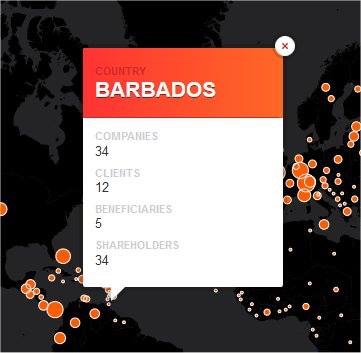


The following article reproduced at the request of Green Monkey – David, Barbados Underground
SNIP
Around a decade ago, I was writing a book about six countries along a stretch of west Africa’s oil-soaked coast, running from Angola up to Nigeria. Despite hundreds of billions of dollars in oil revenues, their people didn’t seem to be better off. In the case of Angola, then just starting to recover from an oil- and diamond-fuelled war, it was surely worse off than if no natural resources had been discovered. I wrote an article about corruption in west Africa’s oil-producing states, and a few days later got a letter from David Spencer, a US attorney who had worked with a big global bank in Latin America. He invited me to visit him in New York. Several months later we met and, before we had finished our starters, Spencer was getting worked up about matters that were not at all on my agenda: accounting rules, US tax exemptions, transfer pricing – and some curious legal arrangements in Delaware, a small US state roughly halfway between New York and Washington.What on earth did any of this have to do with Nigeria? Realisation began to dawn: Spencer was telling me that the US was itself a giant tax haven, and that this was intensely relevant for west Africa. He explained why. During the Vietnam war, the US was spending more money overseas than it was earning there, and dollars were flowing out. To finance its growing deficit, the US wanted to lure foreign dollars back home. It did this by turning itself into a haven: creating tax benefits for foreigners. The idea was to start hoovering up capital flight and dirty money from around the world; looted west African oil money would do nicely.
So the US has been fighting hard against foreign tax havens, to crack down on its own tax cheats. At the same time the US is a big part of the world’s problem, with Wall Street banks profiting from American willingness to help foreign tax cheats. Britain’s own array of satellite havens – the Cayman Islands, British Virgin Islands, Bermuda, Jersey, all of which sport the Queen on their banknotes – are part of the same problem.



The blogmaster invites you to join the discussion.