


Submitted by Looking Glass
 Contrary to some beliefBarbados was not discovered byColumbus, nor was it ever owned and or control by the Portuguese. It was first discovered by an English trader in 1625. Except for a handful of Arawak Indians who had fled the Caribs ravage ofDominica and Amerindians it was unpopulated. By the time settlement of the island began in1627 the Arawaks had migrated toGuyana or had died out. Settlement was financed by private English capital and with the blessing of the Crown. By the 1630s the island had been settled by English settlers and English indentures. They grew food and products like cotton, indigo and tobacco for export toEngland andAmerica. The first slaves were not black but white indentures (the legal name) from the motherland who after five years of servitude were each given 5 acres of land (Drax Hall) and their freedom.
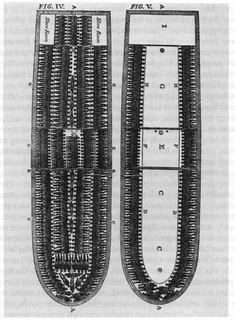
The slave trade wasn’t planned but started by accident. The first blacks arrived in the early 1630s when a British ship with indentures bound for the island encountered a Portuguese slaver, attacked it and found a cargo of 8 slaves who were sold in the city of Bridgetown. Eventually the Dutch ship captains bought camels and black slaves from their brethren in Africa for as little as $9.0 and sold them for up to $30.0 in Bridgetown. Thomas Oldmixin a wealthy tobacco farmer bought three of the first eight and his former indenture, John Tatum bought one. The two men along with Tatum two sons Will and Isaac would become very prominent in the political development of the country.
Around 1636 the matter of slavery and servitude became a matter of concern. It was unclear how long servitude was to last. Some wanted it for a specific period and for children of slaves to be free and others disagreed. Authorities passed an ordinance to the effect that slaves whether Indian or African and their children would be slaves for life. When the law was passed they were fewer than 70 slaves in a population of 6000. By1649 the number of blacks and whites were about the same in a population of 30,000 clearly structured along class lines. At the top were the wealthy white plantation owners who managed the island, other whites and indentures who owned little of nothing in the middle and all blacks at the bottom. Upward mobility was not encouraged.
One of Tatum’s slaves, a Yoruban named Hamilcar, with a great capacity for leadership began to organize a rebellion in the form of secret meetings with blacks on the island. The Tatums treated their slaves well and humanely, so much so their maid Naomi had become attached to Will who taught her the alphabet and English which at a time was forbidden. Blacks were forbidden from learning English or education, could not meet in groups or attend church. The best way to control a population was (and is) to keep them in ignorance.
The night before the rebellion Naomi advised Will Tatum to remain at home and not to go into the field. Asked why she replied “blood, promise me do not tell anyone.” Will and his brother, Isaac, decided something was in the air and set about to inform the planters. As a result Hamilcar and 17 accomplices were hanged. Some of the whites who supervised the hangings let out that it was Naomi who had betrayed the plot. Shortly after Naomi was found dead in her hut with her throat cut. And so the very first slave insurrection was exterminated.
The death of King Charles 1 beloved by the island Royalist divided the country into two warring camps contesting the right to govern the country: The Cavaliers led by Thomas Oldmixin were gentry, of good breeding, conservative and loyal to the king. The Roundheads led by Henry Saltonstall were liberal middle-class businessmen who preferred parliamentary rule which they thought to be more effective than Royalty rule. Tension mounted in 1650 when Oldmixin declared the island loyal to King Charles 2 who was still in exile inFrance: this at a time whenEnglandunder Roundhead parliamentary rule and most of the American colonies and the islands were against Royalist rule.
Cromwell appointed Lord Willoughby to govern the island who, on Oldmixin advice. chose Isaac Tatum as his principal assistant. But when those in power continued to ignore the rules that governed England Cromwell decided to send in Sir George Ayscue and troops to force the islanders into submission. LordWilloughbygoaded by the Cavaliers promptly removed all Roundheads from positions of influence and shipped their principle leaders back toEngland; among them Henry Saltonstall who left his property in care of Will Tatum. The Cavaliers organized into regiments and trained to repel landing forces.
And so the Roundheads and Cavaliers became the first democratic parliament as we know it today in the world outsideBritain. Eventually Cavaliers became the Conservative party I believe in 1943 and folded around 1952. The Barbados Labour Party created in 1938 replaced the Roundheads who folded in 1944. The Conservative Party faded in 1954 and the Democratic Labour Party was established in 1956.
Sir Ayscue, 7 ships and 2000 troops arrived in October 1661 but avoided real combat. In January 1662 Sir Ayscue and Lord Willoughby met in a session at the Mermaid Tavern in Oistin and agreed on 20 rules (Articles) by which the island would be governed in future, among them:
-
that a new law be passed with a heavy penalty ‘forbidding any reviling speeches remembering or raveling into former differences into former differences and reproaching any man with the cause he formerly defended.’ #20
-
that all estates sequestered or detained be returned to their owners #17
-
that liberty of conscience be allowed to all #1
-
that all persons on both sides be discharged set free and that all cattle, goods, servants Negroes returned to their right owners #12
-
No one shall be imprisoned or put out of his possessions without due process as per English law #4
Will Tatum sought to regain custody of Saltonstall estate (Lower Estate) only to discover that a secret agreement betweenWilloughbyand Ayscue had been exempted the estate. His brother Isaac (and wife Clarissa) was now the legal owner. Clarissa intent on getting her brother-in-law out of the way accused him of, among other things, Blasphemy and taking the Lord’s name in vain before the Church of England who at the time was the guardian of propriety and orthodoxy. The church in turn presented the case and ‘evidence’ to the magistrate. Will Tatum was found guilty of stigmatism, sentenced to 2 hours in the public pillory in the city and branded B with a hot iron on his cheek. On release he headed for the Dutch ship Stadhouder and departed.
Charles 11 was anointed king in 1660 and in 1661 awarded 7 baronetcies to be passed on to generations in perpetuity and 6 knighthoods to expire at the death of the recipients to nine Bajans. Among the barons were Sir Thomas Oldmixin and the exiled Sir Henry Saltonstall, to Isaac Tatum a knighthood. And soBarbadoshad become the first country or island in the world outsideEnglandto be granted knighthoods and baronetcies and to have and established democratic parliament.
In 1672 Charles 11 passed a couple of laws, SEED TO SEED and LEND LEASE, which formally legalized the ownership of the island and which to my knowledge has to this day remained unchanged. Thus it would appear thatIndependence gives us the right to management and self-government but not ownership. The ills of colonialism notwithstanding the mother country facilitated and supported the socio-economic ‘development’ of Little England which remains not only the Gem of the Caribbean but one of the best places on mother earth to live. Part 2 later.




The blogmaster invites you to join and add value to the discussion.