



Submitted by Timothy
The Role of Soldiers in Civil Society: Powers of Arrest and Personality Dynamics in Joint Patrols
Examining the Boundaries and Behaviors of Military Personnel in Law Enforcement Contexts
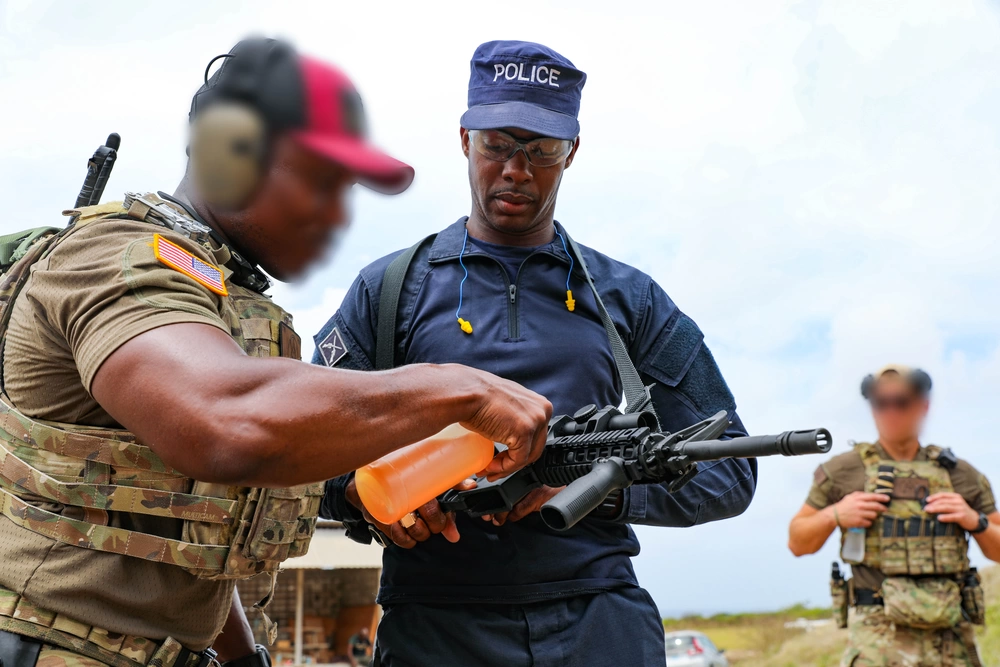
In times of crisis, natural disaster, or civil unrest, soldiers may be deployed alongside police officers in joint patrols or public safety operations. This collaboration often raises complex questions about the appropriate role for military personnel in civilian environments, particularly regarding the powers of arrest and the psychological dynamics that emerge when soldiers and police work together. This document explores the reasons why soldiers should not be granted powers of arrest and examines why soldiers often display stronger personalities in joint patrol scenarios.
Why Soldiers Should Never Be Given the Powers of Arrest
The Distinct Missions of Military and Police
Military forces and police agencies exist for fundamentally different purposes. Soldiers are trained to defend against external threats, engage in combat, and maintain national security. Police, by contrast, are entrusted with upholding civil law, protecting citizens’ rights, and maintaining order within communities. The power of arrest is a civilian legal function, grounded in due process and civil liberties, and is best exercised by those specifically trained for this delicate responsibility.
Training and Approach: Combat vs. Community
Soldiers are trained for confrontation, survival, and quick decision-making in high-risk scenarios. Their mindset and skillset are shaped by the need to neutralize threats, often with decisive force. Arresting a civilian, however, requires a nuanced understanding of legal rights, evidence collection, and proportionality. Police officers receive extensive education in conflict de-escalation, investigative procedures, and the legal frameworks governing detention and arrest. Soldiers lack this specialized training, which increases the risk of excessive force or procedural errors if given arrest powers.
Threat to Civil Liberties and Rule of Law
Granting soldiers the power of arrest blurs the line between military and civilian authority. This erosion of boundaries can undermine democratic institutions and civil liberties. History offers cautionary tales: in societies where the military is empowered to arrest civilians, there is often a corresponding rise in abuses of power, arbitrary detention, and the suppression of dissent. Safeguarding individual rights requires a clear separation between military and police roles.
Public Trust and Perception
The relationship between police and the community is built on trust. Police officers are expected to act not only as enforcers of the law, but also as mediators, peacekeepers, and sources of help. Soldiers, on the other hand, may be perceived as occupying forces, especially in sensitive or tense environments. If soldiers are seen arresting civilians, it can foster fear, resentment, or suspicion among the public, damaging the legitimacy of both the military and law enforcement.
Legal and Ethical Challenges
The use of soldiers in law enforcement raises serious legal and ethical questions. Military personnel are governed by different codes of conduct, rules of engagement, and disciplinary structures than police. If soldiers are given powers of arrest, who holds them accountable for misuse or abuse? Which legal standards apply? Ambiguous authority and accountability can lead to confusion, injustice, and even international condemnation.
Why Soldiers Are Often Stronger Personalities in Joint Patrols Selection and Training Processes
The military attracts individuals who thrive in structured, high-stakes environments. Soldiers undergo rigorous physical and psychological screening, ensuring they possess resilience, discipline, and assertiveness. Their training emphasizes leadership, teamwork, and decisiveness under pressure. These qualities naturally contribute to strong personalities, especially in situations requiring quick thinking and collective action.
Exposure to Extreme Situations
Soldiers are routinely exposed to life-threatening scenarios. Whether deployed in combat zones or disaster relief missions, military personnel learn to manage fear, stress, and uncertainty. This experience fosters a sense of confidence and self-assurance that may exceed that of their civilian counterparts. When working in joint patrols, soldiers may project a more commanding presence, influencing the group dynamic.
Chain of Command and Leadership Culture
Military culture prioritizes hierarchy, discipline, and obedience. Soldiers are trained to follow orders and, when necessary, take charge. This mindset is reinforced by clear chains of command and leadership structures. In joint patrols, soldiers may assert themselves in decision-making, especially in situations where swift action is required. Police officers, while also operating within hierarchies, often rely more on negotiation and collaboration, which may appear less forceful.
Adaptability and Problem-Solving
Military personnel are taught to adapt rapidly to changing circumstances. The ability to improvise and overcome obstacles is central to military training. This fosters a proactive and solution-oriented attitude, which can dominate joint patrols when facing unpredictable challenges. Soldiers’ confidence in their judgment and skills may lead them to take initiative, further reinforcing their strong personalities in the group.
Group Cohesion and Camaraderie
Soldiers often exhibit strong loyalty to their unit and teammates. This sense of solidarity can manifest as assertiveness and protectiveness, especially in environments perceived as dangerous or hostile. When paired with police officers, soldiers may seek to influence the patrol’s actions to ensure the safety and success of the group, sometimes taking on informal leadership roles.
Balancing Military and Civilian Roles
The integration of soldiers into joint patrols must be carefully managed to preserve civil authority, public safety, and the integrity of both institutions. While soldiers bring valuable skills and attributes to emergency situations, their involvement in law enforcement should remain strictly limited and clearly defined. Granting powers of arrest to military personnel risks undermining the principles of justice and democracy. Recognizing and respecting the strengths and differences of soldiers and police is essential for effective cooperation without compromising fundamental rights.
Conclusion
The distinction between military and police roles is not merely technical; it is foundational to the protection of civil liberties and public trust. Soldiers, with their robust personalities and decisive training, can contribute positively to joint efforts, provided their involvement is grounded in clear boundaries and mutual respect. The powers of arrest should remain the exclusive domain of law enforcement professionals, ensuring justice, accountability, and the continued health of a free society.




The blogmaster invites you to join the discussion.